
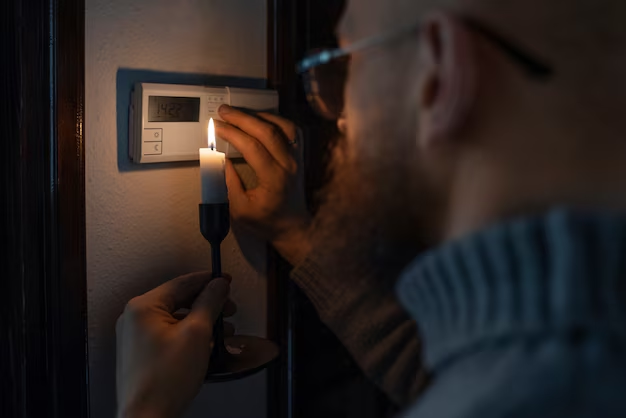
Winter storms can surprise us here in Fort Worth. One moment it’s chilly, the next the power’s out and temperatures start to fall fast inside the house. When the power shuts down, it’s not just about losing lights. Your heater quits, and suddenly, keeping warm becomes a whole lot harder. It’s uncomfortable, but it can also lead to bigger problems around your home.
We know how important it is to stay safe and warm during a winter outage, not just for comfort but to prevent lasting damage to your heating system too. We’re going to walk through some smart ways to stay warm, how to keep your heater protected during the blackout, and what to do before and after the power goes out. Being ready ahead of time can make all the difference on those extra cold nights.
Staying Warm When the Power Goes Out
When the electricity cuts off on a cold day or night, the first thing you notice is how quickly the inside temperature dips. Here are a few simple things that can help hold onto heat while you wait for the power to come back:
• Dress in layers. Put on warm socks, hats, and jackets to keep your body heat from escaping.
• Gather blankets and create a warm space where your family can huddle together. The smaller the space, the easier it is to warm up.
• Close off rooms you don’t need. This keeps the heat from spreading too thin across your whole house.
• Let the sunlight in during the day to naturally warm your home a bit, then close the curtains at night to trap the heat indoors.
We don’t recommend turning to stoves or grills to heat your home, even if the house is really cold. These can release dangerous gases and become unsafe fast, especially in closed spaces. Warm clothes, cozy blankets, and using the sun wisely are safer ways to ride out short outages.
Why Your HVAC System Needs Protection During Outages
You might think your heating system is just inactive during a power outage, but it can still face problems, especially if the weather stays cold. A few things to keep in mind:
• When power cuts off suddenly, it can cause damage to the electronics inside your heating system. Power surges when it kicks back on can hit the circuits hard.
• Cold air sitting still around your outdoor unit, especially during freezing conditions, can let ice build up inside. This might not seem like much in the moment, but it can cause long-term refrigerant or airflow issues.
• If the inside of your house drops really low, there’s a risk your pipes could freeze. If that happens and pipes burst, water can leak into the ductwork or even damage other HVAC components hidden behind walls.
For homes with modern systems, such as high-efficiency furnaces or heat pumps, restoring electricity too quickly after an outage can sometimes trigger error codes or diagnostic messages that need to be addressed. If your system ever displays unusual lights or shut-off cycles after the power returns, it’s best to have it checked by a professional.
Being without power is already stressful. Taking care of your heating system means you won’t end up with more problems once the power clicks back on.
Steps to Take Before a Winter Storm Hits
The best time to get ready for anything is before it actually happens. A few small steps can go a long way when a storm or outage shows up:
• Have your Heating and Cooling in Fort Worth checked before the cold moves in. Early checks can catch weak spots so your system is ready for anything. Preventive maintenance from a licensed HVAC contractor can reduce the risk of emergency breakdowns during extreme weather.
• Learn where your HVAC breaker is in your electrical panel. If you need to shut things off quickly, you’ll be glad you didn’t have to guess in the dark.
• Keep flashlights and a charged phone close by. That way, you’re not reaching for your heater or a breaker panel without being able to see what you’re doing.
Being familiar with your system, knowing where switches are, and having some basics ready can save time and headaches when the weather starts to turn rough.
What to Do With Your HVAC System During a Blackout
When the power shuts off, your heater might try to restart itself when things come back on. That might work fine, or it might cause a power surge that leads to bigger issues. Playing it safe is the better option. Here’s what we suggest:
• Turn off your HVAC system at the breaker as soon as you notice the outage. This helps prevent damage when the electricity returns suddenly.
• Avoid trying to restart your system by hand. Wait until you have stable, steady power. Flipping switches or changing settings too soon could cause the system to overload.
• Once the lights and power are clearly back for good, give it a few minutes before turning your heat back on. Let everything settle and reset.
A little patience during that waiting period can protect your system from serious damage that could take longer to fix later.
Stay Safe and Ready for Winter
We know how harsh winter storms can get across North Texas. When everything feels a little out of our control, it helps to know we have done what we can to stay prepared. A blackout does not need to turn into a heating crisis.
By dressing warm, keeping safe practices in mind, and giving your heater some attention before and after the power goes out, you can stay ahead of bigger problems. Taking a little time before winter rolls in to think about safety and heating can help protect both your family and your system when cold weather hits hardest.
At Strickland HVAC, we know how important it is to be ready when winter weather shows up without warning. One way to get ahead of surprise outages or heating problems is by making sure your system is tuned up and working its best. If you haven’t had your system looked at in a while, it might be time to schedule a checkup for your Heating and Cooling in Fort Worth. Taking action before a cold front rolls in can help avoid bigger issues later. If you’re dealing with heat troubles or want to prepare before the next cold snap, let us know today.