 Skip to content




Forget About Weird Smells From Your AC
Are you noticing an unpleasant odor coming from your mini split air conditioner? You’re not alone. Many homeowners experience this common but frustrating issue with their mini-split systems. When your mini split smells bad, it can quickly turn your comfortable home into an unpleasant environment.
At Strickland Heating and Air, we understand how disruptive these odors can be, especially for busy professionals and families who value their home comfort. A mini-split that smells bad isn’t just annoying – it could indicate underlying issues that might affect your system’s performance or even your family’s health.
Let’s explore why your mini-split might be producing unpleasant smells, how to identify the specific type of odor, and what steps you can take to eliminate the problem for good.
Table of Contents
Common Causes of Bad Smells in Mini-Split Systems
When your mini split smells bad, several common culprits are typically to blame. Understanding these root causes can help you address the problem more effectively and potentially prevent future occurrences.
Mold and Mildew Growth
The most common reason a mini split smells bad is mold or mildew growth inside the unit. Mini-splits operate by pulling warm air across cool coils, which naturally creates condensation. This moisture, combined with dust particles and dark spaces inside your unit, creates the perfect breeding ground for mold and mildew.
According to the Environmental Protection Agency (EPA), mold can grow on virtually any organic surface where moisture and oxygen are present. In mini-splits, this often occurs on the evaporator coils, in the condensate drain pan, or within the ductwork.
Clogged Drain Line
Your mini-split system produces condensation as it cools your home. This water should drain properly through a designated drain line.
When this line becomes clogged with dirt, algae, or debris, standing water accumulates. Stagnant water quickly becomes a source of unpleasant, musty odors and can promote bacterial growth.
Dirty Air Filters
Air filters trap dust, pet dander, pollen, and other particles to improve indoor air quality. However, when filters become excessively dirty or clogged, they can:
- Restrict airflow through your system, reducing efficiency.
- Begin to harbor bacteria and mold that produce odors.
- Release trapped particles back into your air when they can no longer function effectively.
Bacterial Growth
Beyond mold and mildew, other types of bacteria can flourish in your mini-split system’s moist environment. These microorganisms break down organic matter and, in the process, release gases that often smell unpleasant.
Research published in the International Journal of Hygiene and Environmental Health found that air conditioning systems can harbor various types of bacteria that contribute to indoor air pollution.
Types of Odors and What They Mean
Different smells coming from your mini-split can help diagnose specific problems. Let’s examine the most common odors and what they typically indicate.
Musty or Moldy Smell
If your mini-split smells like a damp basement or old socks, you’re likely dealing with mold or mildew. This is the most common complaint when a mini-split smells bad and indicates excess moisture inside your system.
This odor tends to be strongest when you first turn on your unit after it’s been off for a while. The smell may temporarily diminish as the system runs, but it will return if the underlying mold issue isn’t addressed.
Fishy or Rotten Egg Smell
A fishy odor or smell similar to rotten eggs often indicates an electrical problem. This could be:
- Overheating components
- Burned-out circuit boards
- Melting wire insulation
- Malfunctioning capacitors
This type of smell should be taken seriously as it could potentially indicate a fire hazard. Turn off your system and contact a professional immediately if you notice these odors.
Vinegar or Sour Smell
A sour or vinegar-like smell often indicates bacterial growth in your system. Bacteria feed on the dust and debris that accumulate in your mini-split and produce acetic acid as a byproduct, causing this distinctive odor.
This smell commonly occurs when your system hasn’t been used for an extended period or hasn’t been maintained regularly.
Chemical or Sweet Smell
If your mini-split smells sweet or chemical-like, it might indicate a refrigerant leak. Modern refrigerants are designed to be odorless, but they can interact with lubricating oils and other components to produce a sweet, chloroform-like smell.
According to the American Society of Heating, Refrigerating and Air-Conditioning Engineers (ASHRAE), refrigerant leaks should be addressed promptly as they can reduce system efficiency and potentially pose health risks.
DIY Solutions to Eliminate Mini-Split Odors
Before calling in the professionals, there are several effective steps you can take yourself to address a mini-split that smells bad.
Regular Filter Cleaning
One of the simplest yet most effective ways to prevent your mini-split from developing bad odors is to clean or replace the air filters regularly.
- Turn off your mini-split system completely.
- Locate and remove the front panel of your indoor unit.
- Carefully remove the air filters (usually they slide out or pop out easily).
- For washable filters:
- Rinse with warm water to remove loose dust
- For stubborn dirt, use a soft brush and mild soap solution
- Rinse thoroughly and allow to completely dry before reinstalling
Experts recommend cleaning your mini-split filters every 2-4 weeks during heavy use periods and at least monthly during regular operation.
Coil Cleaning
The evaporator coils in your mini-split can collect dust and moisture, becoming a prime location for mold growth. Here’s how to clean them:
- Turn off and unplug your mini-split system.
- Remove the front panel and filters.
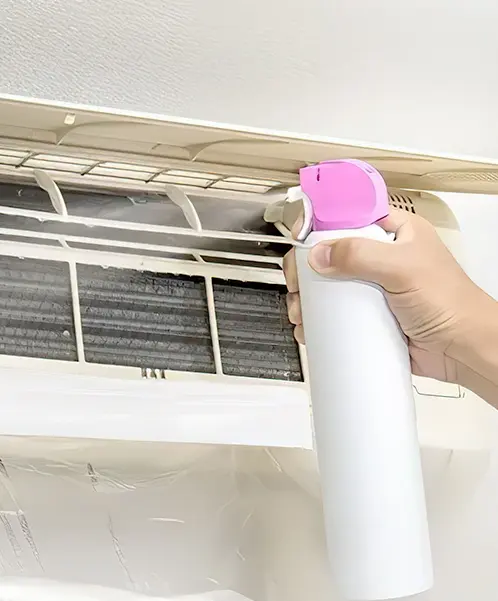
- Use a specialized no-rinse coil cleaner spray, available at most hardware stores.
- Allow the foam cleaner to work for the time specified on the product (usually 10-20 minutes).
- The cleaner will drip into the condensate pan and help clean the drain line as well.
Note: Be gentle when cleaning coils, as they can be easily damaged. If you’re uncomfortable performing this maintenance yourself, professional cleaning is always an option.
Drain Line Maintenance
A clogged drain line is a common culprit when your mini-split smells bad. Here’s how to address it:
- Locate your condensate drain line (usually a small PVC pipe exiting your home near the outdoor unit).
- Use a wet/dry vacuum to suction out any blockages from the end of the pipe.
- Alternatively, pour a cup of white vinegar mixed with hot water down the drain line from inside (if accessible) to dissolve biological growth.
For ongoing prevention, consider installing drain line tablets designed specifically for HVAC systems. These slow-dissolving tablets prevent algae and bacterial growth.
When to Call a Professional
While DIY maintenance can resolve many odor issues, sometimes your mini-split smells bad due to problems that require professional attention. Here are situations when you should contact Strickland Heating and Air:
Persistent Odors Despite Cleaning
If you’ve thoroughly cleaned filters, coils, and drain lines but your mini-split still smells bad, deeper issues may be at play. Professional technicians have specialized tools to perform comprehensive system cleaning, including parts that aren’t easily accessible to homeowners.
Burning or Electrical Smells
As mentioned earlier, any burning, fishy, or electrical smells could indicate potentially dangerous component failures. These issues require immediate professional attention to prevent safety hazards.
A study by the National Fire Protection Association found that heating and cooling equipment is a leading cause of home fires. Don’t take chances with electrical odors.
Refrigerant Leaks
If you suspect a refrigerant leak based on sweet or chemical smells and reduced cooling performance, professional service is required. Handling refrigerants requires special certification and tools due to environmental regulations and safety concerns.
Annual Professional Maintenance
Even if your mini-split doesn’t currently smell bad, scheduling annual professional maintenance is the best preventive measure against future odor problems. During these visits, technicians will:
- Clean components not accessible to homeowners
- Check refrigerant levels
- Ensure proper drainage
- Inspect electrical connections
- Verify overall system performance
Preventing Future Mini-Split Odors
Taking proactive steps can help ensure your mini-split doesn’t develop unpleasant odors in the future.
Regular Maintenance Schedule
Create a maintenance calendar that includes:
- Monthly filter cleaning
- Quarterly coil inspection
- Seasonal professional check-ups
- Annual deep cleaning
Regular maintenance not only prevents odors but also improves efficiency and extends the lifespan of your mini-split system.
Control Indoor Humidity
Mini-splits work harder and collect more condensation in humid environments. Using a dehumidifier in extremely humid conditions can reduce the moisture load on your system and decrease the likelihood of mold growth.
Ideally, maintain indoor humidity between 30-50% to discourage mold growth while maintaining comfort. Many modern mini-splits include humidity sensors and can be set to “dry mode” to help control moisture levels.
Proper Use Practices
Simple changes in how you use your mini-split can prevent bad odors:
- Avoid turning your system off for extended periods during humid seasons
- Run the fan for 30 minutes after turning off the cooling function to dry internal components
- Keep indoor unit vents unobstructed by furniture or curtains
- Use “dry” or “dehumidify” mode during humid weather instead of repeatedly cycling the cooling function
Frequently Asked Questions
How often should I clean my mini-split filters to prevent bad smells?
Clean your mini-split filters every 2-4 weeks during heavy use periods (summer and winter) and at least monthly during moderate use seasons. More frequent cleaning may be necessary if you have pets, live in a dusty area, or have family members with allergies.
Is a moldy smell from my mini-split dangerous to my family’s health?
Yes, mold spores released into your home’s air can potentially cause allergic reactions, respiratory issues, and other health problems, especially for those with asthma, allergies, or compromised immune systems. According to the Centers for Disease Control and Prevention (CDC), exposure to mold can cause symptoms such as nasal stuffiness, throat irritation, coughing, and eye irritation.
Can I use regular household cleaners on my mini-split components?
No, avoid using standard household cleaners, especially harsh chemicals, as they can damage the sensitive components of your mini-split system. Instead, use products specifically designed for HVAC cleaning or gentle solutions like diluted white vinegar for filters and accessible parts.
Why does my mini-split smell worse when I first turn it on?
This is typically because mold or bacteria have been growing while the system was off. When you first activate the unit, the initial airflow disturbs these contaminants, releasing more odor particles. The smell often diminishes somewhat as the system runs, but won’t completely disappear until the underlying cause is addressed.
How much does professional mini-split odor elimination cost?
Professional mini-split cleaning services typically range from $150-$300, depending on your location, system size, and the extent of the cleaning required. While this represents an investment, professional cleaning can prevent more costly repairs, improve efficiency, and extend the lifespan of your system.
Why Your Mini-Split Smells Bad: Conclusion
When your mini split smells bad, it’s more than just an annoyance – it can impact your home comfort, energy efficiency, and potentially your family’s health. The good news is that most mini-split odor issues can be resolved through proper maintenance and timely intervention.
If your mini split smells bad despite your best efforts, Strickland Heating and Air is here to help. Our experienced technicians can identify and resolve even the most persistent odor issues, restoring your home comfort quickly and effectively. Contact us today to schedule a professional mini-split inspection and cleaning.