

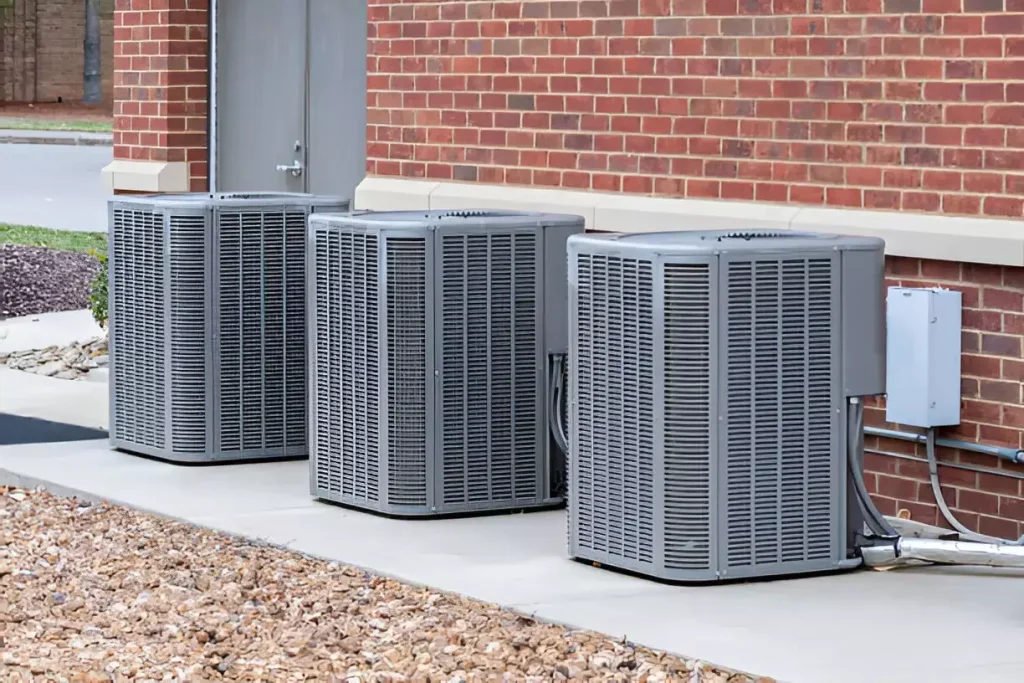
How to Safely Clean Your Outdoor AC Unit: A Complete Guide
Cleaning your outdoor AC unit is an important maintenance task that can save you money and extend the life of your system. When you safely clean your outdoor AC unit, you remove dirt, debris, and other buildup that can make your system work harder than it needs to. This simple DIY task can improve efficiency by up to 15% and help prevent costly repairs. The good news is that you can clean your outdoor AC unit yourself with just a few basic tools and about an hour of your time.
Table of Contents
Why Cleaning Your Outdoor AC Unit Matters
Your outdoor AC unit works hard to keep your home cool. Over time, it collects dirt, leaves, grass clippings, and other debris. This buildup can block airflow and force your system to work harder.
When you safely clean your outdoor AC unit regularly, you’ll enjoy several benefits:
- Better energy efficiency – A clean unit uses less electricity to cool your home
- Lower utility bills – Less energy use means lower monthly costs
- Longer system life – Regular cleaning reduces wear and tear on parts
- Fewer breakdowns – Clean units are less likely to overheat or fail
- Improved cooling performance – Clean coils transfer heat more effectively
According to the U.S. Department of Energy, a dirty outdoor unit can increase energy consumption by up to 30%. That’s money you could save with simple maintenance!
When to Clean Your Outdoor AC Unit
Knowing when to clean your outdoor AC unit is just as important as knowing how. Most homeowners should clean their units at least twice a year.
Ideal Cleaning Schedule
- Spring cleaning – Before you start using your AC for the season
- Fall cleaning – After the summer cooling season ends
- Additional cleanings – After storms, high winds, or if you notice reduced performance
You should also check your unit monthly during heavy use periods. Look for obvious debris like leaves, twigs, or grass clippings that might block airflow.
Signs Your Outdoor AC Unit Needs Cleaning
Watch for these warning signs that tell you it’s time to safely clean your outdoor AC unit:
- Your home isn’t cooling as well as it used to
- The system runs longer than normal
- You notice higher electric bills
- The unit makes unusual noises
- You can see visible debris around the unit
- It’s been more than 6 months since the last cleaning
Tools and Materials You’ll Need
Before you start to safely clean your outdoor AC unit, gather these simple tools and materials:
Basic Cleaning Supplies
- Garden hose with spray nozzle
- Soft bristle brush
- Vacuum with brush attachment
- Fin comb (optional but helpful)
- Screwdriver (to remove the top grille if needed)
- Work gloves
- Safety glasses
Cleaning Solutions
- Mild dish soap
- Commercial coil cleaner (optional)
- Spray bottle
- Clean water for rinsing
Most of these items are probably already in your home. If you need to purchase a fin comb, they’re available at most hardware stores for under $15. This special tool helps straighten bent cooling fins without causing damage.
Step-by-Step Guide to Safely Clean Your Outdoor AC Unit
Follow these steps to safely clean your outdoor AC unit without causing damage:
Step 1: Turn Off the Power
Safety first! Before you begin cleaning, completely turn off power to your AC unit.
- Find the disconnect box near your outdoor unit
- Switch it to the “Off” position
- For extra safety, turn off the circuit breaker to the unit inside your home’s electrical panel
Never clean your unit while it’s powered on. Water and electricity don’t mix!
Step 2: Clear the Surrounding Area
Create a clean workspace around your unit:
- Remove any plants, branches, or debris within 2 feet of the unit
- Trim back any bushes or plants that might block airflow
- Clear away leaves, grass clippings, and other loose debris
Your AC unit needs at least 2 feet of clear space on all sides for proper airflow.
Step 3: Clean the Exterior
Now it’s time to clean the outside of your unit:
- Use a soft brush to gently remove loose dirt and debris from the exterior grilles
- Mix mild dish soap with warm water in a bucket
- Wipe down the exterior panels with a soft cloth dipped in the soapy water
- Rinse with clean water from your garden hose (use gentle pressure)
Avoid using pressure washers, which can bend the delicate fins on your unit.
Step 4: Clean the Condenser Fins
The condenser fins are the delicate metal slats around your unit:
- Remove the top grille (if needed) using a screwdriver
- Use a vacuum with a soft brush attachment to remove dirt from the fins
- Spray the fins from the inside out with your garden hose (gentle pressure only)
- For stubborn dirt, use a commercial coil cleaner following package directions
- Rinse thoroughly with clean water
If you notice bent fins, use a fin comb to gently straighten them. Work slowly and carefully to avoid causing damage.
Step 5: Clean the Fan and Motor Area
If you’re comfortable doing so, clean the fan area:
- Remove any debris from the fan blades using a soft brush
- Wipe down the fan blades with a damp cloth
- Check for any loose parts or connections
Be careful not to disconnect any wires or damage the fan components.
Step 6: Reassemble and Restore Power
Once everything is clean and dry:
- Replace any parts you removed during cleaning
- Make sure all screws are tight
- Turn the power back on at both the disconnect box and circuit breaker
- Listen for any unusual noises when the unit starts up
Your AC should now run more efficiently after you’ve safely cleaned your outdoor AC unit!
Ongoing Maintenance Tips
To keep your outdoor AC unit running smoothly between deep cleanings:
Monthly Maintenance
- Check for and remove any visible debris around the unit
- Ensure plants haven’t grown too close to the unit
- Listen for any unusual noises during operation
- Check and change your indoor air filter (this helps your whole system)
Seasonal Care
- Summer: Keep grass clippings away when mowing
- Fall: Remove fallen leaves regularly
- Winter: Consider a breathable cover if you live in a snowy area
- Spring: Do a thorough cleaning before heavy use begins
Remember that when you safely clean your outdoor AC unit regularly, you’re protecting your investment and saving money on energy costs.
When to Call a Professional
While regular cleaning is something most homeowners can handle, some situations call for professional help:
Signs You Need a Pro
- Your unit makes strange noises even after cleaning
- You notice ice forming on the unit
- The system isn’t cooling properly despite being clean
- You smell burning odors
- The unit repeatedly trips circuit breakers
- You’re not comfortable working with the unit yourself
Professional HVAC technicians have specialized tools and training to safely clean your outdoor AC unit and diagnose problems you might miss. Most experts recommend a professional inspection and tune-up once a year, even if you clean the unit yourself.
Frequently Asked Questions
How often should I clean my outdoor AC unit?
You should safely clean your outdoor AC unit at least twice a year – once in spring before cooling season and once in fall after heavy use. Monthly visual checks are also recommended during summer.
Can I use a pressure washer to clean my AC unit?
No, pressure washers can damage the delicate fins on your condenser. Always use gentle water pressure from a garden hose.
Is it OK to spray water on my outdoor AC unit?
Yes, but only when the power is completely turned off and only using gentle pressure. Never spray water on electrical components.
How much money can I save by cleaning my AC unit?
Regular cleaning can improve efficiency by 15-30%, which could save $50-$150 per cooling season depending on your usage and local energy costs.
Can I clean my AC unit while it’s running?
Never clean your unit while it’s powered on. Always disconnect the power at both the disconnect box and circuit breaker before cleaning.
What should I do if the fins on my AC unit are bent?
Use a fin comb tool (available at hardware stores) to gently straighten bent fins. Work carefully to avoid causing more damage.
Do I need to cover my AC unit in winter?
In most climates, AC units are designed to withstand weather without covers. If you do cover it, use only a breathable cover that prevents debris while allowing air circulation to prevent moisture buildup.
Ready to Improve Your AC’s Performance?
Now you know how to safely clean your outdoor AC unit and keep it running efficiently. This simple maintenance task can save you money, extend the life of your system, and ensure your home stays comfortable all summer long.
Remember to turn off the power before cleaning, use gentle water pressure, and check your unit regularly for debris. With proper care, your air conditioner will reward you with years of reliable service and lower energy bills.
If you’re not comfortable cleaning your unit yourself or if you notice any problems during the process, don’t hesitate to call a professional. A qualified HVAC technician can provide a thorough cleaning and inspection to keep your system in top condition.
Ready to schedule a professional AC maintenance check? Contact Strickland Heating and Air today to book an appointment and ensure your cooling system is ready for whatever weather comes your way!