
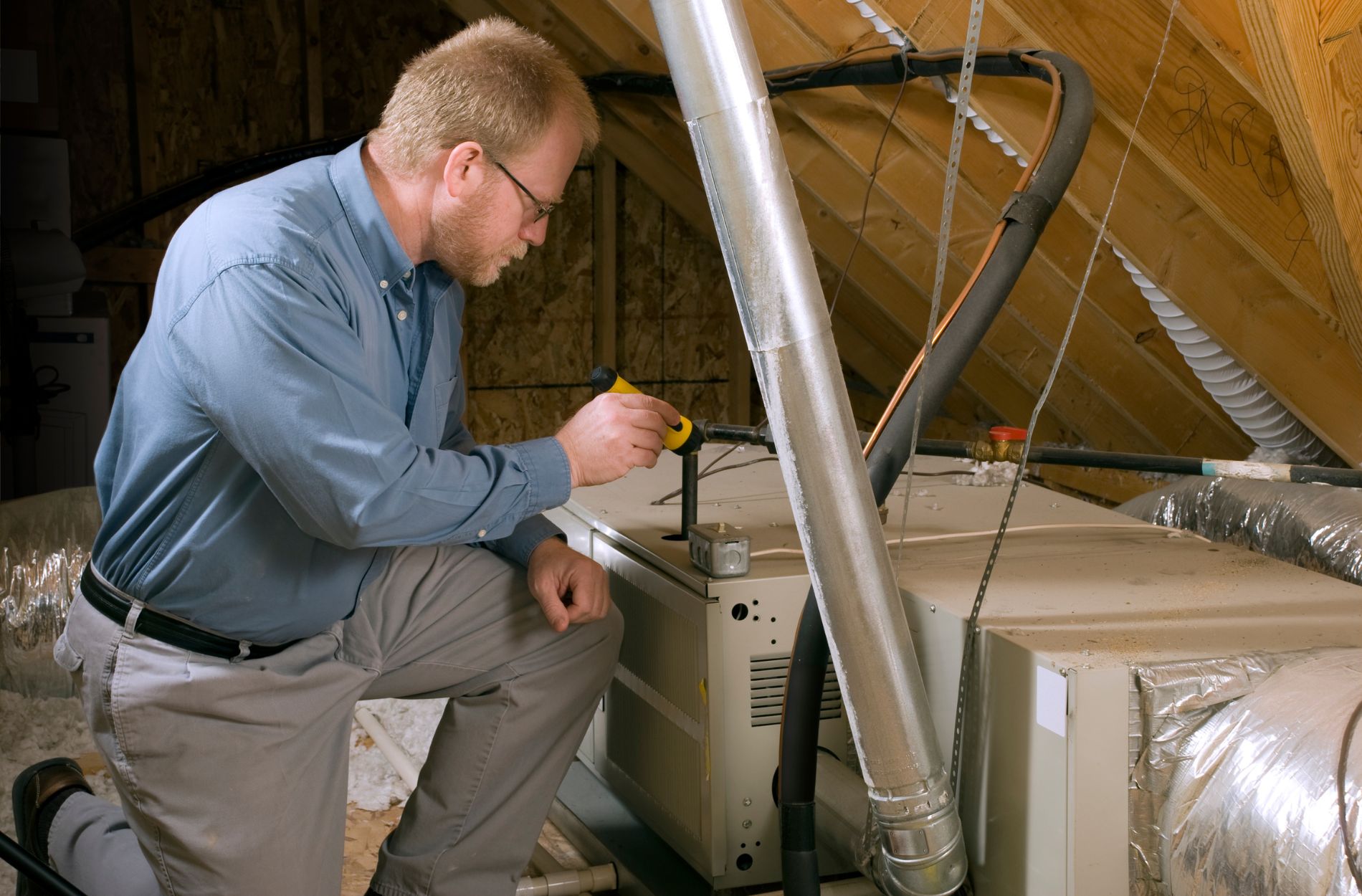
If you’ve ever stood by your furnace when it starts up and thought, “What is that smell?” you’re not alone. Gas furnaces can put off a range of odors, especially when they kick on for the season. Some of those smells are perfectly normal and go away quickly. Others might mean it’s time to pay attention.
As the weather cools down in Fort Worth, Texas, it’s common for furnaces to start running more often. If something smells off, there’s a reason. We’re breaking down the common furnace odors, which ones are safe, and which ones might signal trouble, especially if you’re searching for furnace repair in Fort Worth.
The Normal Smells from a Gas Furnace
There are a few smells that naturally come with gas furnaces. These usually show up at the start of the heating season and tend to go away on their own. Here are some of the most common ones:
• Dust burning off: This is the top reason people notice an odd smell when they first turn on their heat. Over the warmer months, dust can settle on your furnace’s components. When the furnace fires up, that dust burns away and gives off a faint smell. It’s usually gone after a day or so.
• A slight gas smell: It’s not unusual to catch a quick whiff of gas right as the furnace starts. This happens when the system is igniting, but the smell should go away quickly and not linger.
• Warm air or metal odor: Sometimes hot air smells a bit like heated metal or machinery. This tends to come from the metal parts inside the system warming up.
As long as these odors are mild, short-lived, and don’t get stronger over time, they’re probably nothing to worry about.
Smells That Mean Trouble
Not all furnace smells are harmless. Some odors can tell you that something’s off and may need attention from a professional. Here’s what to watch out for:
• Rotten egg or sulfur smell: This is serious. Utility companies add a sulfur-like scent to natural gas so leaks can be detected more easily. If you smell rotten eggs near your furnace and the smell stays or gets stronger, get everyone out and call for help right away.
• Musty or moldy smells: If you notice this kind of smell coming from your vents, it could mean there’s moisture trapped somewhere or even mold growing in the system or ductwork. Either way, it’s best not to ignore it.
• Burning plastic or electrical smell: This could mean that something inside the furnace is overheating or wearing out. Wires, fans, or other parts might be getting too hot or breaking down. If you notice this, it’s smart to turn the system off and have it looked at.
If any of these smells come up, especially along with strange sounds or uneven heating, it’s time to take them seriously.
What Causes Gas Furnace Odors
Understanding what’s behind these smells can help make sense of what’s going on with your furnace. Here are the most common causes:
• Dust and dirt buildup: Over time, dust can collect on burners, vents, and other parts inside the unit. If it sits too long, the furnace has to work harder, and it might start to smell when those particles heat up.
• Gas leaks or loose connections: Even small leaks can give off noticeable odors. If a connection isn’t tight or a part is wearing out, a gas smell can escape. These need to be handled carefully and safely.
• Parts going bad: Motors, filters, wires, or ignition controls can wear out with heavy use. If a component isn’t working the way it should, it could overheat or throw off an unusual smell.
The longer these problems go unnoticed, the bigger they can get. Smells usually show up before a full breakdown, making them a helpful early warning.
Why Timing Matters for Smell-Related Issues
When winter arrives in North Texas, the sudden drop in temperature can put pressure on heating systems. The first few freezes of the season are when many homeowners begin to notice furnace smells.
Some odors show up only when the furnace first turns on in the morning or after a long break. Others come and go with the cycles of the unit. If the smell fits a clear pattern, it might be connected to your system’s schedule or how hard it’s working at specific times. Spotting that pattern makes it easier to figure out what’s wrong.
Paying attention right when you notice something different is important, and during colder spells, it’s best not to wait too long if something doesn’t smell right. That’s especially true for homes that rely on the heater every day.
Expert Help for Safe, Reliable Heating in Fort Worth
At Strickland HVAC, trained technicians are ready to diagnose and safely resolve furnace issues year-round for Fort Worth families. The company specializes in both emergency repairs and proactive maintenance, so homeowners can avoid unexpected breakdowns and dangerous situations.
Because Strickland HVAC is a local family-owned contractor, you get knowledgeable care from professionals who focus on long-term comfort and safety with every service call. Comprehensive gas furnace repair and inspection help ensure your system performs efficiently, no matter how cold it gets outside.
Know When to Take Action
We can’t always see what’s going on inside a furnace, but a strange smell is something we can recognize right away. It’s often the first clue that something’s building up, wearing out, or breaking down.
A gas furnace that smells a little dusty or warm when it starts isn’t anything to panic about. But if the smell is rotten, sharp, or sticks around, that’s a reason to pause. Being aware of what different smells mean helps us keep our homes safer and warmer through the cold months.
And when it’s something you can’t quite identify, that’s the time to let a trained technician figure it out. If you’re in need of furnace repair in Fort Worth and the smell just won’t go away, checking in early can prevent bigger problems later.
Strange smells from your furnace or changes in how it runs often point to bigger problems down the road, especially as colder weather approaches. We help homeowners throughout Fort Worth, Texas, stay safe and comfortable by catching these issues early. Noticing anything unusual and think it’s time for furnace repair in Fort Worth? Give Strickland HVAC a call and let us take a closer look.