 Skip to content




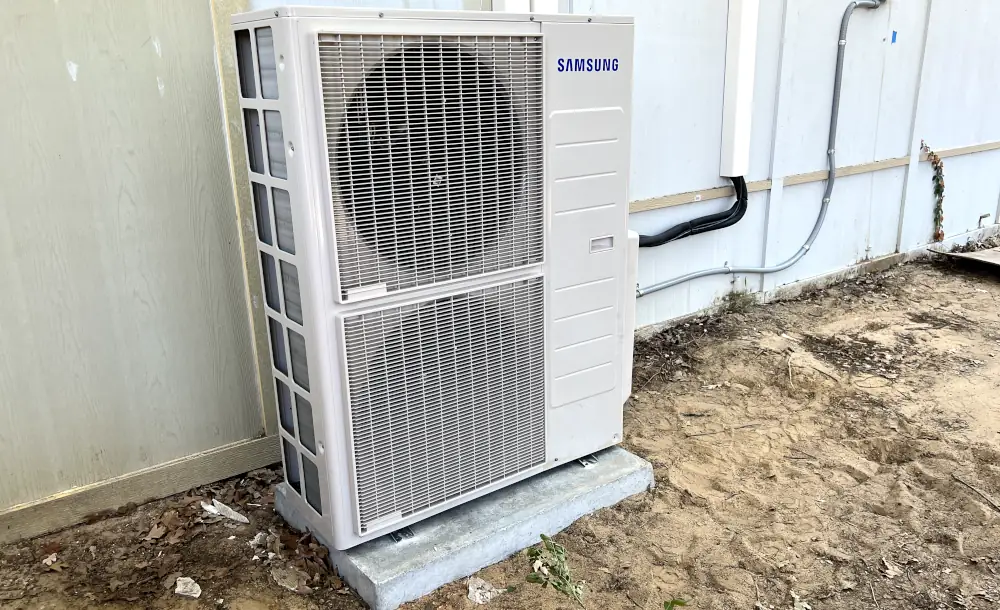
When it’s time to upgrade your heating system, you might be asking yourself, “Are heat pumps more expensive than furnaces?”. This is a valid question with a multifaceted answer. The best choice hinges on factors such as your location, desired efficiency, and maintenance requirements.
This article will explore heat pump technology and gas furnace technology. We will compare upfront costs with long-term operating costs. We’re going to answer, are heat pumps really more expensive than furnaces?
Upfront Costs: Heat Pumps vs Furnaces
Homeowners often focus on the initial price tag. Gas furnaces usually have lower upfront costs, typically ranging from $700 to $3,300. Heat pumps, conversely, generally cost between $2,500 and $10,000.
It might seem like furnaces are the obvious winner. But, consider the potential need for electrical upgrades. Rewiring a house for increased electrical capacity typically costs between $2 and $4 per square foot.
Factors Impacting Upfront Costs
Several factors influence the upfront cost of both heating systems. The size of your home is a major factor. Home layout, insulation quality, and the local climate also play significant roles.
Your choice of brand and model impacts the price, as does rebate eligibility. For homes with existing natural gas lines, a gas furnace installation might be cheaper. If natural gas access isn’t available, installing an electric heat pump could be more financially sound.
Operating Costs: Heat Pumps vs Furnaces
While upfront costs receive considerable attention, operating costs are equally crucial. Heat pumps use electricity. Gas furnaces primarily use natural gas, although some furnaces can also burn fossil fuels like propane.
Which system offers greater cost-effectiveness? Air source heat pumps can cut electricity use for heating by an impressive 50% compared to electric furnaces. Heat pump systems often achieve higher energy efficiency, particularly when replacing older HVAC systems.
Efficiency Matters
Heat pumps require less energy to heat the same space compared to fossil fuel-based systems. Furnaces burn fossil fuels to generate heat. That is a big difference from heat pumps.
Heat pumps, on the other hand, transfer heat. This gives them a significant edge in moderate climates. Consider regions like the South or areas with mild winter heating, as illustrated by the map of different heating zones in the country.
Efficiency Ratings: Understanding the Terms
When discussing efficiency, you’ll encounter acronyms like HSPF, SEER, and AFUE. Here’s a breakdown of each:
- HSPF (Heating Seasonal Performance Factor): This measures heating efficiency during the heating season. Higher HSPF ratings indicate greater efficiency.
- SEER (Seasonal Energy Efficiency Ratio): SEER measures a heat pump’s cooling efficiency. Like HSPF, higher numbers are better.
- AFUE (Annual Fuel Utilization Efficiency): This percentage shows how much energy a furnace converts to heat from its fuel. For furnaces, an AFUE of 90% or higher is generally considered good and “high-efficiency”.
Are Heat Pumps More Expensive Than Furnaces When Cold?
A common misconception is that heat pumps are inefficient in extremely cold weather. While this was true in the past. Efficient heat pumps now have assistance from gas to still keep a house warm.
High-efficiency heat pumps, such as those used in Suisun City, can function effectively in sub-freezing temperatures. Some models can operate efficiently down to 0 degrees Fahrenheit, and some even lower.
However, furnaces generally outperform heat pump systems in climates with consistently severe winters. These climates might have temperatures frequently below zero. For individuals regularly experiencing cold weather, a combination of air conditioning and a gas furnace may be beneficial.
Long-Term Costs: Maintenance and Lifespan
Maintenance and lifespan significantly impact your long-term expenses. Heat pump systems require regular maintenance for both heating and cooling functions. This might mean more frequent servicing compared to a gas furnace used solely for electric heat during winter.
Gas furnaces, however, pose potential safety risks. It is best to have a qualified professional inspect a gas heater annually. Carbon monoxide leaks are a serious concern.
Preventative HVAC inspections can save money. This also includes a well-maintained furnace and heat pump, with air filters being regularly checked, replaced, and maintained. Scheduled maintenance also helps to provide better indoor air quality.
Lifespan Comparison
Furnaces typically have a longer lifespan than heat pumps. A well-maintained furnace can last 20 years or more. Heat pumps, in contrast, usually last around 15 to 20 years.
Here’s data on heat pump usage:
| User | Years of Use | Location |
|---|---|---|
| Frank | 1+ | Southern Ontario |
| User on HVAC-Talk.com forum | 25+ | 1 hour north of Philadelphia, PA |
| DIY.Stackexchange user in New Hampshire | Unknown (still using the unit) | New Hampshire |
Making the Right Choice for Your Home
Several factors influence the decision-making process. A heat pump can be an excellent choice for efficient heating and cooling in warmer states. This helps to cut down on your carbon footprint and improve your overall air quality.
Do you reside in a region like the Northeast, where temperatures can drop drastically? Consider a dual-fuel heating systems. These combine a heat pump with a gas furnace for optimal efficiency.
Consider the availability and utility costs, such as electricity versus natural gas or propane, in your area. Are certain utility options more expensive? Evaluate potential future operating costs and how they might differ between a heat pump and a gas furnace, based on current usage patterns. Consider all possible incentives, discounts, tax credits, and potential price fluctuations, to accurately project costs.
Conclusion
There’s a reason why numerous households across the United States rely on various heating systems, including many furnaces. The choice of heating equipment depends on individual needs and location. So, are heat pumps really more expensive than furnaces?
Ultimately, the decision depends on how you prefer to invest in your heating (and cooling) needs. Consider your location. Do you need a system to handle extreme cold or heat? Factor that into your heating and cooling systems, so that it provides year-round service and comfort.
Contact us today for more information or to schedule a free consultation.