
To prepare your AC for a scorching Texas summer, you need to change air filters, clean the outdoor unit, check refrigerant levels, test your thermostat, schedule professional maintenance, and inspect your ductwork. These simple steps will help your air conditioner run efficiently during extreme heat. Taking care of your AC before summer hits full force can prevent breakdowns when you need cooling the most and save you money on energy bills.
Table of Contents
Why Preparing Your AC for Summer Matters
Texas summers are famous for their intense heat. When temperatures climb above 100°F, your air conditioner becomes your home’s most important appliance. A well-maintained AC system can be the difference between comfort and misery during those scorching summer months.
Preparing your AC before summer arrives helps prevent unexpected breakdowns. Nobody wants their cooling system to fail during a heatwave! Regular maintenance extends your unit’s lifespan, potentially saving you thousands of dollars on early replacement costs.
Your wallet will thank you too. A properly maintained air conditioner uses up to 15% less energy than a neglected one. This means lower electricity bills during months when your AC runs almost constantly.
6 DIY Steps to Prepare Your AC
1. Replace or Clean Air Filters
Dirty air filters are the number one cause of AC problems. They block airflow, making your system work harder and less efficiently. You should check your filters monthly during summer.
For standard 1-inch filters, replace them every 1-3 months. If you have pets or allergies, you might need to change them more often. Some higher-end filters can last up to 6 months.
Washable filters should be cleaned according to the manufacturer’s instructions. Make sure they’re completely dry before reinstalling them to prevent mold growth.
2. Clean Around the Outdoor Unit
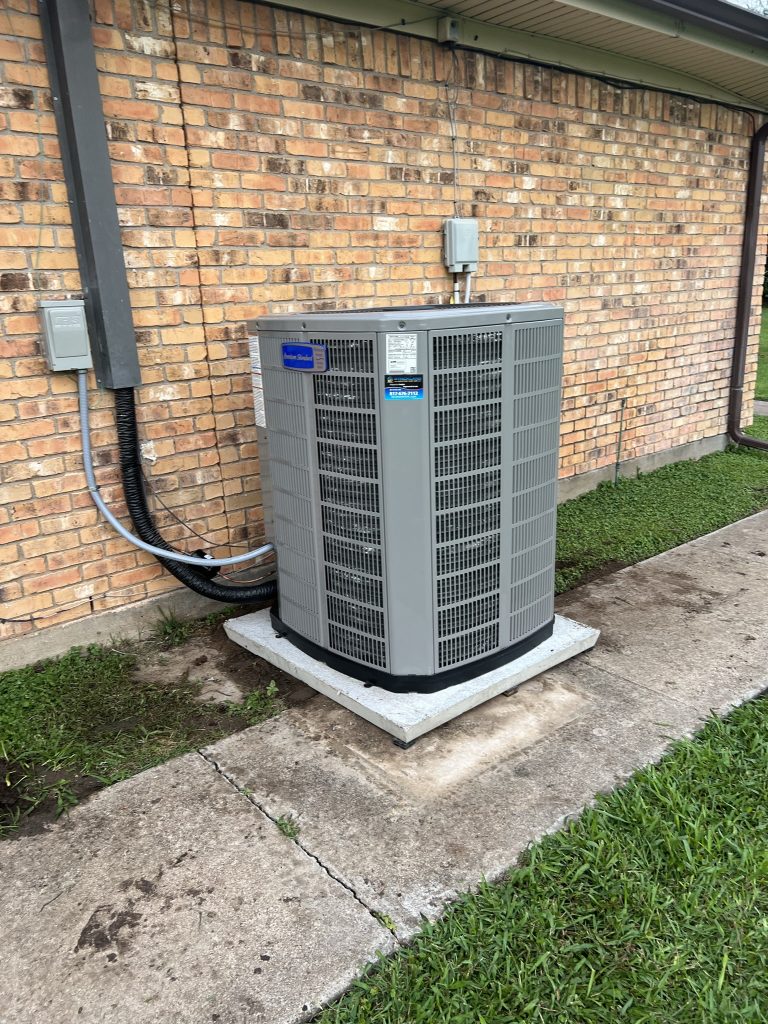
Your AC’s outdoor unit needs space to breathe. Clear at least 2 feet of space around it by removing leaves, twigs, grass clippings, and other debris.
Trim back any bushes, plants, or tree branches that might block airflow. Good airflow is essential for your AC to work properly.
Gently spray the outside of the unit with a garden hose to remove dirt buildup. Never use a pressure washer, as it can damage the delicate fins.
3. Check and Clean Condenser Coils
The condenser coils on your outdoor unit release heat from your home to the outside. When they get dirty, your AC has to work harder.
Turn off power to your AC at the breaker box before cleaning. Then, remove the protective grille or panel to access the coils.
Use a soft brush or vacuum with a brush attachment to gently remove dirt. For stubborn grime, you can buy special coil cleaner spray at hardware stores. Follow the product instructions carefully.
4. Test Your Thermostat
Make sure your thermostat is working correctly before the hottest days arrive. Set it to “cool” and lower the temperature setting. Your AC should start within a minute or two.
If you still have an old manual thermostat, consider upgrading to a programmable or smart model. These can save you up to 10% on cooling costs by automatically adjusting temperatures when you’re away or sleeping.
Check that your thermostat is reading the correct temperature. Place a small household thermometer next to it and compare readings. If they’re more than 2 degrees apart, you might need to recalibrate or replace your thermostat.
5. Inspect and Clean Vents and Registers
Walk through your home and check all air vents and registers. Make sure they’re open and not blocked by furniture, curtains, or rugs.
Remove the vent covers and vacuum inside the ducts as far as your vacuum can reach. This removes dust that would otherwise blow into your rooms.
Wipe down the vent covers with a damp cloth before replacing them. Consider having your ducts professionally cleaned if it’s been more than 5 years or if you notice excessive dust.
6. Check Condensate Drain Line
Your AC removes humidity from your home, and that water needs somewhere to go. The condensate drain line can get clogged with algae or mold.
Find the PVC pipe near your indoor unit that drains this water. Pour a cup of white vinegar through it to kill any growth and prevent clogs.
If you notice water pooling around your indoor unit, your drain line might already be clogged. Try using a wet/dry vacuum to suck out the blockage from the outdoor end of the pipe.
Professional AC Maintenance Benefits
While DIY maintenance is important, having a professional tune-up once a year is crucial. HVAC technicians can spot problems you might miss.
Professional maintenance typically includes checking refrigerant levels, testing electrical components, and inspecting the compressor. These tasks require special tools and training.
Spring is the ideal time to schedule your annual AC maintenance. Technicians are less busy than during summer emergency calls, and you’ll have your system ready before the heat arrives.
A professional can also check for refrigerant leaks, which are bad for both your AC and the environment. If your system is low on refrigerant, it won’t cool properly and could suffer serious damage.
Many HVAC companies offer maintenance plans that include priority service and discounts on repairs. These plans often pay for themselves through improved efficiency and fewer breakdowns.
Boosting Your AC’s Energy Efficiency
Upgrade to a Smart Thermostat
Smart thermostats learn your schedule and preferences. They automatically adjust temperatures to save energy when you’re away or sleeping.
Many smart thermostats can be controlled from your phone. This means you can turn up the temperature when you leave for work and cool your home before you return.
Some electric companies offer rebates for installing smart thermostats. Check with your provider to see if you qualify for savings on your purchase.
Seal Leaks Around Windows and Doors
Cool air can escape through tiny gaps around windows and doors. Use weatherstripping or caulk to seal these leaks.
Hold a lit candle near window frames and door edges on a windy day. If the flame flickers, you’ve found a leak that needs sealing.
Don’t forget about electrical outlets on exterior walls. Special insulating gaskets can be installed behind the cover plates to prevent air leakage.
Add Attic Insulation
In Texas, attic temperatures can reach 150°F during summer. Good insulation creates a barrier between this extreme heat and your living space.
Check if you can see your attic floor joists. If the insulation is level with or below the joists, you should add more.
The Department of Energy recommends R-38 to R-60 insulation levels for most Texas homes. This is about 13-20 inches of insulation depth.
Use Ceiling Fans Wisely
Ceiling fans don’t lower the temperature, but they make you feel cooler by creating a wind chill effect. This allows you to set your thermostat 4°F higher without losing comfort.
Make sure your fans rotate counterclockwise in summer. This pushes air down, creating a cooling breeze.
Remember to turn fans off when you leave the room. They cool people, not spaces, so running them in empty rooms wastes electricity.
Warning Signs Your AC Needs Help
Unusual Noises
Banging, clanking, or squealing sounds aren’t normal. They often indicate loose or broken parts inside your AC.
Buzzing might mean electrical problems, while hissing could indicate a refrigerant leak. Both require immediate professional attention.
Rattling noises from the outdoor unit might just mean a twig or leaf got inside. Check and remove any debris before calling for service.
Weak Airflow
If you feel little air coming from your vents, your system has an airflow problem. This could be due to dirty filters, blocked ducts, or a failing blower motor.
Check and replace filters first, as this is the most common and easiest fix. If that doesn’t help, you’ll need professional diagnosis.
Rooms cooling unevenly is another sign of airflow issues. Some rooms shouldn’t be much warmer or cooler than others if your system is working properly.
System Short-Cycling
Short-cycling means your AC turns on and off frequently without completing a full cooling cycle. This wastes energy and puts wear on your system.
An oversized AC unit often causes short-cycling because it cools too quickly without properly dehumidifying. Unfortunately, this requires replacing the unit with a properly sized one.
Electrical problems or a failing thermostat can also cause short-cycling. A professional can diagnose the specific cause.
Rising Energy Bills
If your electricity bills are much higher than last summer, your AC might be losing efficiency. Compare your current bills to the same month last year.
A gradual increase in energy use over several years is normal as systems age. But a sudden spike usually indicates a problem.
Keep in mind that extremely hot weather will naturally increase your AC usage. But if bills seem excessive even accounting for temperature, have your system checked.
Additional Summer Cooling Tips
Optimize Your Thermostat Settings
The Department of Energy recommends setting your thermostat to 78°F when you’re home. Each degree below this increases your cooling costs by about 3-5%.
Program higher temperatures when you’re away. There’s no need to keep an empty house cool all day.
Avoid setting your thermostat extremely low to “cool faster.” Your AC cools at the same rate regardless of the setting, and this just wastes energy.
Manage Sun Exposure
Close blinds and curtains on sun-facing windows during the day. This can reduce heat gain by up to 33%.
Consider installing solar screens or window films that block heat while still allowing light through. These can reduce heat gain by up to 70%.
Plant shade trees on the south and west sides of your home for natural cooling. While this is a long-term solution, it can significantly reduce cooling costs over time.
Minimize Heat-Generating Activities
Use heat-generating appliances like ovens, dryers, and dishwashers in the evening when it’s cooler outside.
Grill outside instead of using your kitchen stove or oven during the hottest days. This keeps additional heat out of your home.
Switch to LED light bulbs, which generate 90% less heat than incandescent bulbs. This small change adds up, especially in rooms with many light fixtures.
Create Cross-Ventilation
Open windows on opposite sides of your home during cool mornings or evenings to create natural airflow. This can refresh your home without using your AC.
Use box fans in windows to enhance this effect. Place fans facing outward on the downwind side of your house to pull cool air through.
Close everything up before the day heats up to trap the cool air inside. Your AC won’t have to work as hard to maintain comfortable temperatures.
Frequently Asked Questions
How often should I replace my AC filters?
Standard 1-inch filters should be replaced every 1-3 months during summer. If you have pets, allergies, or live in a dusty area, replace them monthly. Higher-quality pleated filters might last 3-6 months, but check them monthly regardless.
Is it normal for my outdoor AC unit to make noise?
Some operational noise is normal, but loud banging, grinding, or squealing indicates problems. A properly functioning AC should make a steady humming sound. If you notice changes in your unit’s normal sound, call a professional.
Why is my AC running but not cooling?
This could be caused by dirty filters, low refrigerant, a dirty outdoor unit, or a compressor problem. Start by checking and replacing filters, then clean around the outdoor unit. If these steps don’t help, you’ll need professional service.
How long should my AC last in Texas?
With proper maintenance, a central AC system typically lasts 12-15 years in Texas. The extreme heat and long cooling season put extra strain on systems. Regular maintenance can help reach or exceed the upper end of this range.
What temperature should I set my thermostat to save money?
The Department of Energy recommends 78°F when you’re home and 85°F when you’re away for at least four hours. Every degree below 78°F increases energy usage by 3-5%. Using ceiling fans can make higher temperatures feel comfortable.
Should I cover my outdoor AC unit in winter?
It’s generally not necessary to cover modern outdoor AC units in Texas winters. These units are designed to withstand weather. If you do cover it, use a breathable cover that prevents leaves and debris but allows air circulation to prevent moisture buildup and rust.
How much does professional AC maintenance cost?
Professional AC tune-ups typically cost between $75-$200 in Texas. Many companies offer annual maintenance plans for $150-$300 that include additional benefits like priority service and repair discounts. This investment often pays for itself through improved efficiency and fewer repairs.
Ready for a Cool, Comfortable Texas Summer?
Preparing your AC for the scorching Texas summer doesn’t have to be complicated. By following these simple steps, you can ensure your cooling system runs efficiently when you need it most. Remember that a little preventative maintenance now can prevent costly repairs and uncomfortable days later.
Don’t wait until the first heatwave hits to discover problems with your air conditioner. Take action today to prepare your system for the challenges of summer. Your comfort, your wallet, and your AC unit will all benefit from your attention.
Ready for professional help getting your AC summer-ready? Contact Strickland Heating and Air today to schedule your pre-summer maintenance appointment. We’ll help ensure your system is prepared to keep you cool all summer long, no matter how high the temperature climbs.