 Skip to content





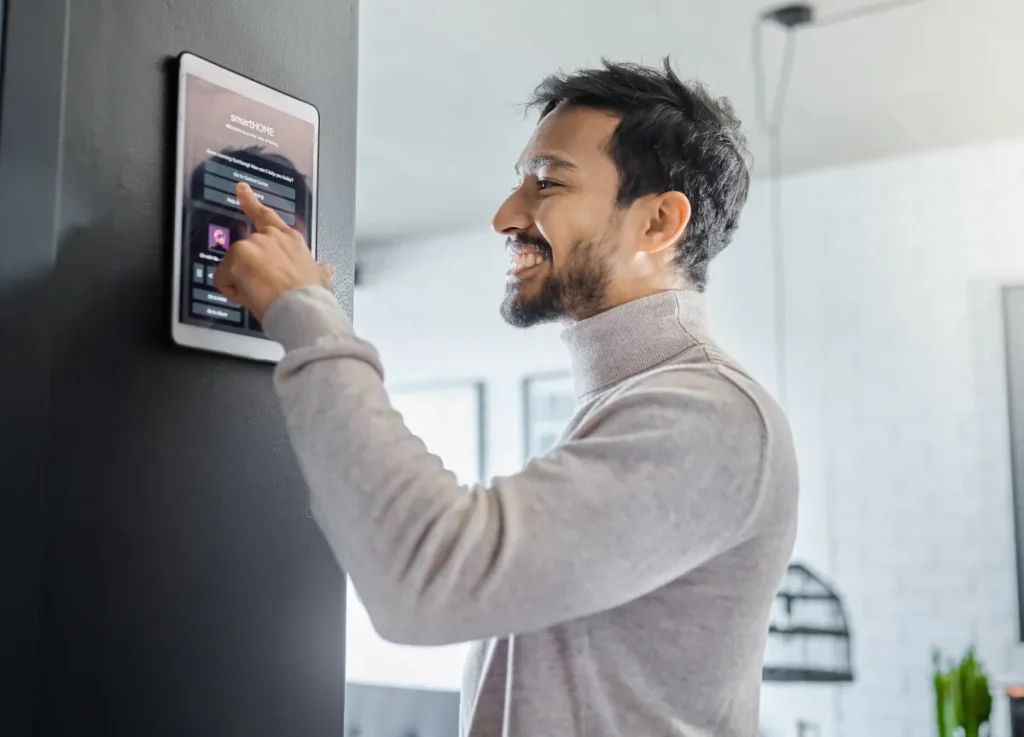
Finding the perfect balance between staying warm and keeping your energy bills in check can feel like a real challenge. So, what’s the ideal temperature setting for winter that keeps both your comfort levels and your wallet happy?
This guide will help you find the ideal thermostat setting for the cold months. We will help you lower energy costs and maintain a cozy home. You’ll discover how different factors, like the people you live with, influence the ideal thermostat setting for your specific situation.
Ideal Thermostat Settings for Winter
The U.S. Department of Energy suggests a winter thermostat setting of 68 degrees Fahrenheit when you’re home. This indoor temperature is a good starting point for managing heating costs.
However, the “best” temperature varies from person to person. A temperature setting that feels comfortable for one individual might be too warm or too chilly for someone else.
Adjusting Your Thermostat While Away or Asleep
You can save money on energy by changing the thermostat set ting when you’re away or asleep. The Department of Energy advises reducing the thermostat by 7 to 10 degrees for eight hours daily. This simple change can lower your yearly heating bills by as much as 10%.
Consider programming your thermostat to a lower temperature while you’re at work or overnight. You can then schedule it to return to 68 degrees shortly before you arrive home or wake up.
The Impact of a Few Degrees
Small temperature adjustments on your thermostat can significantly impact energy consumption. Each degree you decrease the temperature set during winter can have a noticeable effect on your bill.
The precise savings depend on factors like your home’s layout, insulation, and outdoor temperature. Even lowering your thermostat by just a couple of degrees can still make a difference.
What’s the Best Temperature for Winter?
Here’s a quick guide to help you find the ideal thermostat settings:
| Condition | Suggested Thermostat Setting (Fahrenheit) |
|---|---|
| While at Home | 68 |
| While Away | 60-64 |
| While Sleeping | 60-65 |
Factors Influencing Personal Comfort
Several factors influence the indoor temperatures that feels comfortable during winter. Here are a few important ones:
- Personal Preference: Everyone’s comfort levels are different; some people naturally prefer warmer temperatures.
- Age and Health: Older adults and very young children may require warmer homes. Individuals with certain health problems might also need higher indoor temperatures. The World Health Organization recommends a minimum of 68 degrees for these groups.
- Activity Level: If you’re active, you might prefer a cooler temperature. If you’re relaxing or sitting still, you might want to use secondary heating sources.
Smart vs. Programmable Thermostats
Programmable thermostats enable you to schedule different temperatures for various times of the day. Smart thermostats offer even more advanced features. They learn your preferences and adjust automatically to maximize both comfort and energy efficiency.
Smart thermostats often include remote control through smartphone apps. They can also provide heating to a targeted area in your home.
Investing in a smart thermostat can lead to substantial energy savings. Consumer Reports found that an Energy Star-certified smart thermostat can save about 8% on yearly heating and cooling costs.
Considering Pets and Houseplants
Remember to consider your pets and plants when choosing a temperature setting. To keep indoor plants thriving, you generally need at least 60 degrees Fahrenheit.
For pets, it’s best to avoid setting the thermostat below 64 degrees Fahrenheit to ensure their comfort. There are safety risks involved when going any lower than that for an extended period.
Location of your thermostat
The placement of your thermostat is crucial. For your heating systems to work correctly, find a spot that helps it accurately measure the air temperature.
Here are some tips for choosing the best location for your thermostat:
- Inside Wall Placement: Position the thermostat on an interior wall in a frequently used area with good natural air circulation. This will help it measure temperatures more precisely.
- Ensure the thermostat is at eye level, making it easy for all family members to access and operate.
- Avoid Direct Sunlight: Keep the thermostat away from direct sunlight. Sunlight can interfere with its internal readings and prevent your home from reaching the desired temperature.
- Keep Away from Air Vents: Make sure your thermostat is not to close to air vents. This will allow a more accurate reading.
Choosing the right location for your thermostat ensures everything runs smoothly.
Tips to Enhance Comfort and Efficiency
To minimize energy bills, think about a comprehensive approach to home energy efficiency.
Simple practices and occasional upgrades can make a big difference:
- Seal any drafts around windows and doors to prevent heat loss.
- Use curtains or blinds effectively.
- Open them on sunny days to let natural heat in, and close them at night to retain warmth.
Consider adding extra insulation in attics and crawl spaces for increased savings.
Make sure your home heating system runs efficiently with regular care. Changing the air filters often helps with keeping your heating systems working top notch. Heating systems should also require routine maintenance checks by pros.
Temperature and Sleep Quality
Room temperature significantly impacts sleep quality. The ideal temperature for sleep is typically a bit cooler, with many experts recommending around 65 degrees.
A cooler room can help your body’s natural temperature decrease during sleep. Consider lowering your thermostat setting at night to save on energy costs and improve sleep quality.
Many people find that a cooler room temperature promotes more restful sleep.
Saving with Tax Rebates and Credits
Look into potential rebates and tax credits from the Department of Energy. These incentives can help you save even more on energy-efficient home upgrades, such as new appliances.
Humidity’s Role
Humidity can make a room feel warmer. Maintaining a proper humidity level helps your thermostat accurately read temperatures. A good level will help to keep your home running as it should. You may be able to get by with a lower heat setting when there is higher humidity.
Conclusion
Determining what’s the ideal temperature setting for winter is about finding the right balance. Your goal is to make sure homeowners are not over spending and are still comfortable in their own homes. While 68 degrees Fahrenheit is a good starting point, everyone’s comfort needs may differ. By making slight adjustments, utilizing smart thermostat technology, and implementing some home improvements, you can succeed. Every homeowner can strike a balance between personal comfort and financial savings this season.
Contact us today for more information or to schedule a free consultation.