 Skip to content




How Do I Know If My Furnace Needs a Tune-Up?
Your furnace needs a tune-up if you notice unusual noises, higher energy bills, uneven heating, or if it’s been over a year since the last maintenance. Other warning signs include strange smells, yellow pilot light, frequent cycling, or if your furnace is over 15 years old. Regular maintenance helps prevent breakdowns, extends your system’s lifespan, improves efficiency, and ensures your family’s safety. Most HVAC professionals recommend scheduling a furnace tune-up at least once a year, ideally in early fall before the heating season begins.
Table of Contents
Common Signs Your Furnace Needs a Tune-Up
Just like your car needs regular oil changes, your furnace needs routine maintenance to run properly. Here are the most common signs that your furnace needs a tune-up:
| Warning Sign | What It Might Mean | Urgency Level |
|---|---|---|
| Strange noises | Loose parts, motor problems | Medium to High |
| Higher energy bills | Reduced efficiency | Medium |
| Uneven heating | Airflow problems, failing components | Medium |
| Yellow pilot light | Possible carbon monoxide issue | High (Safety concern) |
| Frequent cycling | Thermostat issues, overheating | Medium |
| Strange smells | Dust buildup, gas leak, electrical issues | Medium to High |
| No maintenance in over a year | General wear and tear | Medium |
1. Strange Noises
Is your furnace making weird sounds? Banging, whistling, rattling, or grinding noises aren’t normal. These sounds often mean something is loose, broken, or wearing out inside your furnace.
A properly working furnace should run quietly. Some soft humming is normal when it turns on, but loud or unusual noises mean your furnace needs a tune-up right away.
2. Higher Energy Bills
Have you noticed your heating bills going up even though you haven’t changed how you use your furnace? This is a clear sign your furnace needs a tune-up.
When furnaces get dirty or parts wear out, they have to work harder to heat your home. This uses more energy and costs you more money. A tune-up can help your furnace run more efficiently and lower your bills.
3. Uneven Heating
Are some rooms in your house too hot while others stay cold? Uneven heating often means your furnace needs a tune-up.
This problem can happen when your furnace isn’t working right or when there are airflow issues in your ductwork. A professional can find and fix these problems during a tune-up.
4. Yellow Pilot Light
If your furnace has a pilot light, check its color. A healthy pilot light should be blue. If you see a yellow or orange flame, your furnace needs a tune-up right away.
A yellow flame can mean your furnace is making carbon monoxide, which is very dangerous. This could be caused by dirty burners or a ventilation problem that needs fixing.
5. Frequent Cycling
Does your furnace turn on and off more often than it should? This is called short cycling, and it’s a sign your furnace needs a tune-up.
Short cycling puts extra strain on your furnace parts and wastes energy. It might be caused by a dirty filter, thermostat problems, or other issues that a tune-up can fix.
6. Strange Smells
When you first turn on your furnace for the season, you might smell dust burning off. This should go away quickly. But if you notice ongoing musty, burning, or gas smells, your furnace needs a tune-up.
Bad smells can mean anything from a dirty filter to a gas leak. Don’t ignore them, especially if you smell gas. Turn off your furnace and call a professional right away.
7. It’s Been Over a Year Since Last Maintenance
Even if your furnace seems to be working fine, it needs regular tune-ups. Most experts say you should have your furnace checked once a year.
If you can’t remember the last time your furnace had a tune-up, it’s probably overdue. Regular maintenance helps prevent problems before they start.
Benefits of Regular Furnace Tune-Ups
Getting regular tune-ups for your furnace isn’t just about fixing problems. It helps in many ways:
Prevents Breakdowns
Nobody wants their furnace to stop working on the coldest day of the year. Regular tune-ups help catch small problems before they become big ones.
During a tune-up, a technician checks all the parts of your furnace and fixes any issues they find. This helps prevent surprise breakdowns when you need your furnace most.
Extends Furnace Lifespan
A new furnace costs thousands of dollars. Regular tune-ups help your current furnace last longer, saving you money.
Just like changing the oil in your car helps the engine last longer, maintaining your furnace helps it work better for more years. Most furnaces should last 15-20 years with proper care.
Improves Energy Efficiency
A well-maintained furnace uses less energy to heat your home. This means lower utility bills for you.
During a tune-up, technicians clean important parts, lubricate moving pieces, and make adjustments to help your furnace run more efficiently. This can save you 5-40% on your heating bills.
Ensures Safety
Furnace problems can be dangerous. Gas leaks, carbon monoxide, and fire hazards are serious risks with neglected furnaces.
A tune-up includes safety checks to make sure your furnace isn’t putting your family at risk. This peace of mind alone is worth the cost of maintenance.
What Happens During a Furnace Tune-Up?
Many homeowners wonder what actually happens when their furnace needs a tune-up. Here’s what you can expect:
Inspection and Cleaning
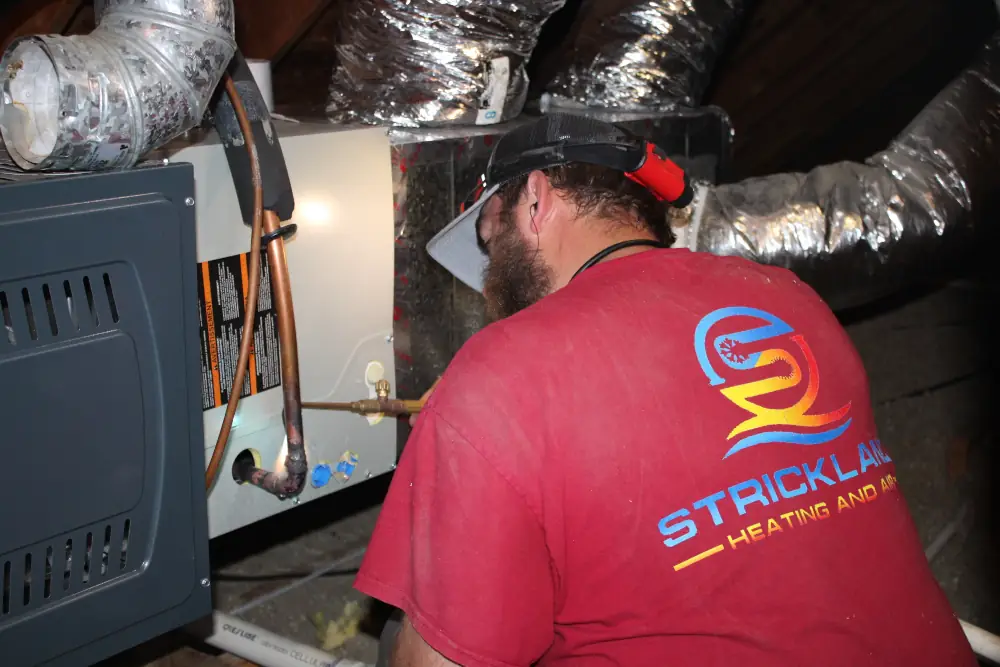
The technician will check all parts of your furnace and clean the important components. This includes:
- Cleaning or replacing air filters
- Cleaning the blower assembly
- Checking and cleaning the heat exchanger
- Inspecting the flue pipe and vent system
- Cleaning burners and checking the flame sensor
Dust and dirt make your furnace work harder and can cause parts to wear out faster. Cleaning these components helps your furnace run better.
Testing and Adjustments
After cleaning, the technician will test how well your furnace works and make any needed adjustments:
- Testing the thermostat and calibrating it if needed
- Checking electrical connections and tightening if loose
- Testing safety controls and limit switches
- Measuring gas pressure and adjusting if necessary
- Lubricating moving parts to reduce friction
These tests and adjustments help your furnace run safely and efficiently.
Safety Checks
Safety is a big part of why your furnace needs a tune-up. The technician will:
- Check for gas leaks
- Test for carbon monoxide
- Inspect the heat exchanger for cracks
- Make sure all safety switches work properly
These checks help protect your family from dangerous situations that can happen with malfunctioning furnaces.
How Often Should My Furnace Get a Tune-Up?
Most HVAC professionals agree that your furnace needs a tune-up once a year. The best time is usually in early fall, before you start using it regularly for the winter.
If you have an older furnace (over 10 years old) or use your heating system heavily, you might want to consider tune-ups twice a year. This extra care can help older systems last longer.
New furnaces still need yearly tune-ups, even if they’re under warranty. In fact, many warranties require regular maintenance to stay valid.
DIY Maintenance vs. Professional Tune-Ups
There are some furnace maintenance tasks you can do yourself, but they don’t replace professional tune-ups.
What You Can Do Yourself
These simple tasks can help keep your furnace running between professional visits:
- Change or clean the air filter every 1-3 months
- Keep the area around your furnace clean and free of clutter
- Check that vents and registers aren’t blocked by furniture or rugs
- Listen for unusual noises that might mean your furnace needs a tune-up
- Monitor your energy bills for unexpected increases
These basic steps help your furnace run better, but they don’t replace professional maintenance.
When to Call the Professionals
Your furnace needs a tune-up from a professional when:
- It’s been a year since your last tune-up
- You notice any of the warning signs we discussed earlier
- You’re getting ready for heating season
- After a long period of not using your furnace
Professional technicians have the training, tools, and experience to safely check and fix all parts of your furnace. They can spot problems you might miss and prevent dangerous situations.
Cost of Furnace Tune-Ups vs. Repairs
Many homeowners avoid tune-ups to save money, but this often costs more in the long run.
A typical furnace tune-up costs between $80-$150, depending on where you live and the type of furnace you have. Some companies offer maintenance plans that include yearly tune-ups at a discount.
In contrast, emergency furnace repairs can cost $150-$600 or more, depending on what’s wrong. If your furnace breaks down completely, a new system can cost $2,500-$7,500 or more.
When you consider that regular tune-ups can prevent many expensive repairs and help your furnace last longer, the yearly cost is a smart investment.
Frequently Asked Questions About Furnace Tune-Ups
Can a furnace tune-up lower my energy bills?
Yes, when your furnace needs a tune-up and gets one, it can significantly lower your energy bills. A well-maintained furnace runs more efficiently, using less fuel to heat your home. The U.S. Department of Energy estimates that regular maintenance can reduce heating costs by up to 30%.
Is a furnace tune-up worth the money?
Absolutely. A tune-up typically costs $80-$150 but can save you hundreds or thousands in repair costs and extend your furnace’s life. It also helps prevent dangerous situations like carbon monoxide leaks.
What’s the difference between a furnace tune-up and a cleaning?
A cleaning focuses mainly on removing dust and debris from your furnace components. A tune-up includes cleaning but also involves testing, adjusting, and inspecting all parts of your system to ensure everything works properly and safely.
Can I still use my furnace if it needs a tune-up?
It depends on the situation. If your furnace is just due for regular maintenance, you can usually keep using it until your appointment. However, if you notice safety issues like gas smells or a yellow pilot light, you should turn off your furnace and call a professional immediately.
Will a tune-up fix all furnace problems?
A tune-up can fix minor issues and prevent future problems, but it’s not designed to repair major breakdowns. If your furnace has significant problems, you might need repairs beyond what’s included in a standard tune-up.
How long does a furnace tune-up take?
A typical furnace tune-up takes 1-2 hours, depending on the condition of your furnace and whether the technician finds issues that need attention.
When to Schedule Your Next Furnace Tune-Up
The best time to schedule a tune-up is before you need your furnace regularly. For most people, this means early fall (September or October).
Scheduling early has several benefits:
- HVAC companies are usually less busy in early fall
- You’ll have time to address any problems before cold weather hits
- Your furnace will be ready when you need it most
- You might get better rates before the busy season
If you can’t remember when your furnace last had a tune-up, it’s probably time to schedule one. Regular maintenance is the best way to keep your heating system running safely and efficiently.
Turn to Heating Specialists for Professional Furnace Help
Knowing when your furnace needs a tune-up can save you money, prevent uncomfortable breakdowns, and keep your family safe. Watch for warning signs like strange noises, higher bills, uneven heating, and unusual smells.
Even without obvious problems, your furnace should get professional maintenance once a year. This regular care helps your system last longer and run more efficiently.
Don’t wait until your furnace stops working on the coldest day of the year. If you’ve noticed any of the warning signs we’ve discussed or it’s been over a year since your last tune-up, it’s time to call the professionals. Contact Strickland Heating and Air today to schedule your furnace tune-up and enjoy worry-free comfort all winter long.