 Skip to content




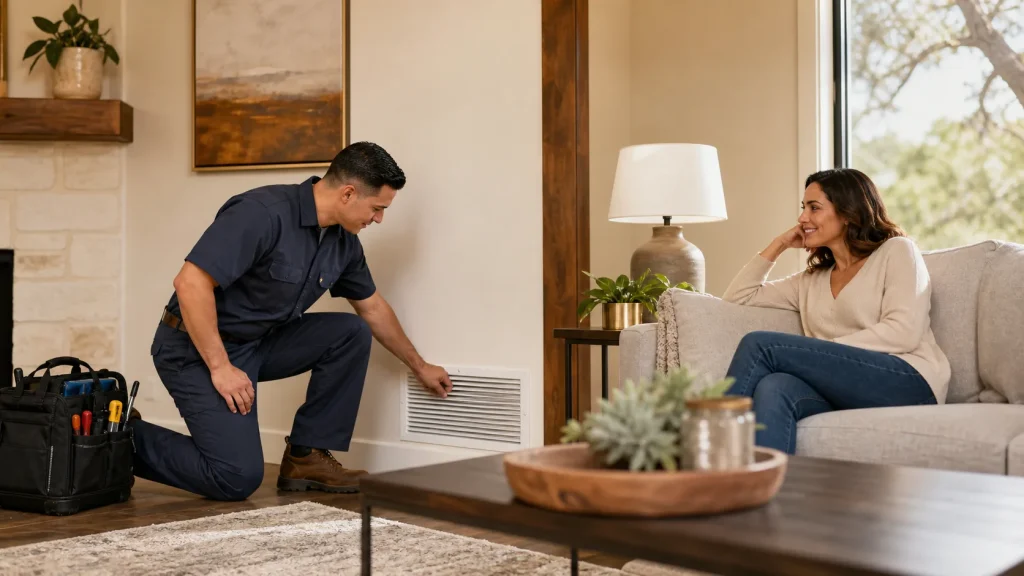
A new AC installation in Fort Worth is one of the best upgrades you can make for your home comfort. The heat can be intense, and when the air outside feels heavy and sticky, you want cool, steady air inside that you can count on. To get that comfort, it takes more than just a new unit sitting in the yard.
How your system is installed, how you use it, and how you care for it will decide how well it cools, how long it lasts, and how high your energy bills climb. As a local, family-owned HVAC company serving Fort Worth and Aledo, we understand how Texas homes handle heat, dust, and long cooling seasons. Here is how to get the most comfort from day one.
Starting Strong with a Thoughtful AC Installation
The first step to long-lasting comfort is a smart, careful installation. That starts with picking the right size system for your home.
Bigger is not always better. If your AC is too large, it can:
- Cool the air too fast without removing enough humidity
- Turn on and off a lot, which can wear parts down
- Leave some rooms too cold and others still warm
Size should be based on things like:
- Square footage and ceiling height
- Insulation quality in walls and the attic
- Number and size of windows
- How much sun hits different sides of the house
A quality installation also matters more than a quick one. Careful work includes setting the unit level, charging the refrigerant correctly, and sealing duct connections so cool air does not leak into your attic. When those details are right, your system runs smoother and is less likely to struggle on the hottest days.
Comfort also improves when the setup matches your daily routine. That might mean:
- Programming a thermostat schedule for workdays and weekends
- Setting sleep temperatures a little cooler at night
- Discussing zoning or airflow changes for two-story homes or rooms that tend to run hot
Fine-Tuning Airflow and Temperature for Every Room
Once your new AC is in, you want even comfort all over the house, not just near the thermostat. Airflow is a big part of that.
Supply and return vents should stay open and clear of furniture, curtains, and rugs. Blocked vents can leave rooms stuffy and push your system to work harder. After a new install, it helps to walk through your home and:
- Feel the airflow at each vent
- Notice if any room feels warmer or more humid
- Make a simple list of hot or cold spots to talk about with a pro
Ceiling fans are another easy comfort booster. They do not lower the air temperature, but the breeze helps you feel cooler. Many homeowners find they can set the thermostat a couple of degrees higher and still feel good when fans are running. Closing blinds or shades on sunny windows, especially in the afternoon, can also cut down on temperature swings.
Two-story homes can be tricky since warm air rises. Some helpful steps are:
- Opening upstairs vents a bit more and closing a few downstairs slightly
- Using a programmable or smart thermostat to cool ahead of the hottest part of the day
- Keeping inside doors open where possible so air can move
If one floor stays warmer no matter what you try, that is a good time to have a professional check the ducts, returns, and overall airflow balance.
Using Smart Thermostats and Settings to Cut Costs
Your thermostat is like the steering wheel for your new AC. A few smart choices can protect your comfort and your wallet.
For Texas summers, many families feel good with settings around 75 to 78 degrees while they are home and awake. Setting your thermostat down very low, like 68 degrees, usually does not cool the house faster. It mostly just keeps the system running longer and harder, which can lead to uneven cooling and higher bills.
Smart thermostats add useful features, such as:
- Learning your routine and adjusting temperatures automatically
- Geofencing, which adjusts settings when your phone leaves or returns to the area
- Remote control from your phone so you are not cooling an empty house
A lot of smart thermostats also provide simple energy reports. Those can show how a small change in schedule or setpoint affects your usage.
For vacations or long weekends, aim to raise the temperature inside but not let the home get too hot. Many homeowners choose a setting a few degrees above normal to protect pets, plants, and belongings. Smart thermostats can start cooling your home down before you arrive so it feels comfortable the moment you walk in.
Protecting Your Investment with Simple Maintenance Habits
A new AC installation in Fort Worth is a big investment. A few easy habits can help it run smoothly for years.
The first is regular filter changes. Dirty filters restrict airflow, which makes the system work harder, use more energy, and wear down faster. In our area, it often makes sense to check filters monthly, especially if you have:
- Pets that shed
- Allergy or asthma concerns
- A lot of dust or nearby construction
Seasonal tune-ups by a local HVAC professional add another layer of protection. A typical tune-up includes checking refrigerant levels, cleaning coils, inspecting and tightening electrical connections, and testing overall performance. These visits help prevent surprise breakdowns in the middle of summer and can support manufacturer warranty requirements.
It also helps to watch for early warning signs, such as:
- New or louder noises while the system runs
- Weak airflow from some or all vents
- Short cycling, where the system turns on and off quickly
- Warm air coming from vents when it should be cool
- Sudden jumps on your energy bill
Small problems usually do not fix themselves. Getting them checked quickly, especially during peak heat, can keep them from turning into bigger repairs.
Breathing Easier with Better Indoor Air Quality
Your new AC does more than cool. It also pulls moisture from the air and keeps air moving, which both help with comfort. Still, indoor air quality is its own piece of the puzzle.
When homes stay closed up through long hot stretches, dust and other particles tend to build up inside. Poor air quality can bother people with allergies or asthma, and it can make a home feel stuffy even when the temperature is okay.
There are add-ons that can be set up along with a new AC to improve air quality, such as:
- Whole-home air cleaners that filter more than a basic filter can
- UV lights inside the system
- Dehumidifiers to keep moisture levels more comfortable
Better filtration and humidity control often let a home feel cooler at a slightly higher thermostat setting, which can help with comfort and energy use at the same time.
Around Fort Worth and Aledo, common triggers include dust, pollen, and construction dust from growing neighborhoods and road work. A well-planned system, with the right mix of filtration and airflow, can help reduce how much of that ends up in your living spaces. If you are planning an AC installation in Fort Worth, it is a smart time to talk about indoor air quality too, since matching everything from the start usually brings the best results.
Schedule Reliable Cooling Comfort For Your Home Today
If your current system is struggling to keep up, our team at Strickland HVAC is ready to help with expert AC installation in Fort Worth. We will walk you through your options, recommend the right equipment, and complete the job with careful attention to detail. To discuss your needs or request an appointment, simply contact us and we will follow up promptly.