 Skip to content




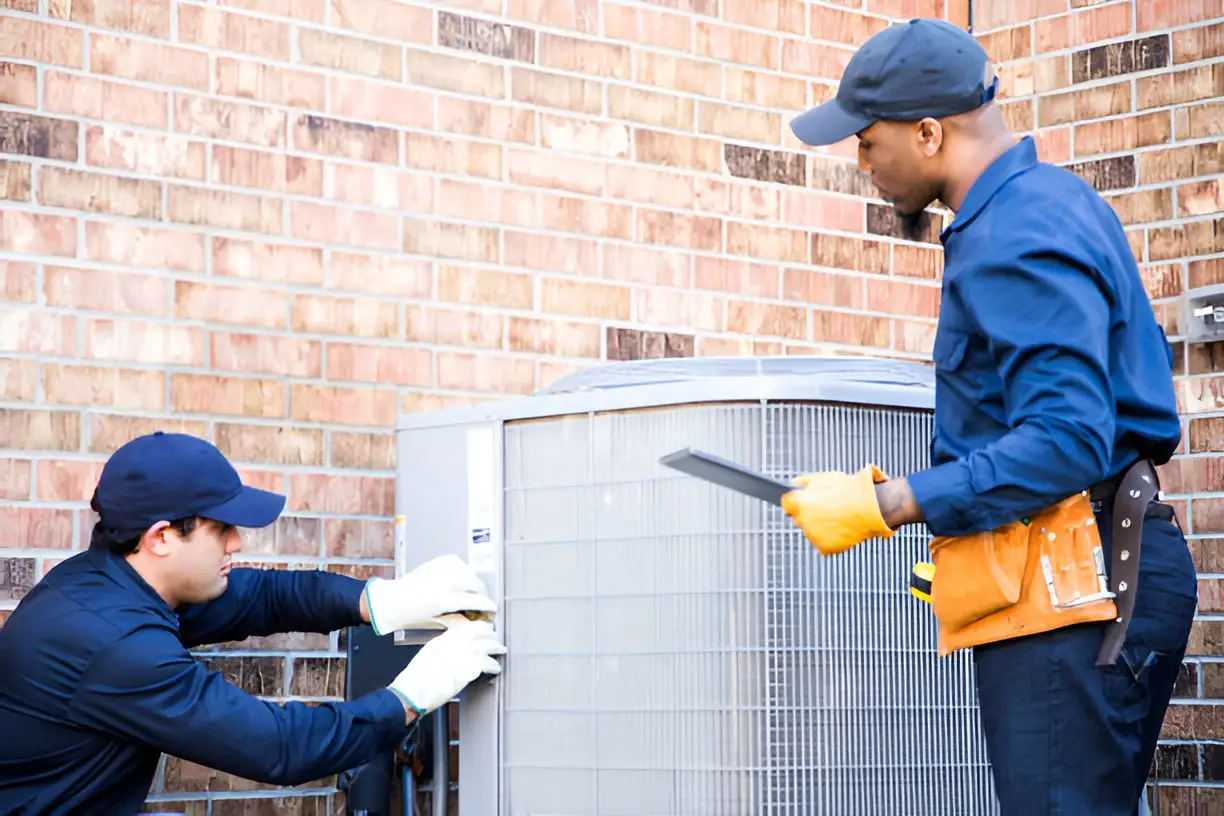
How Fall Foliage Affects AC Outdoor Units
Fall foliage affects AC units in several important ways that many homeowners don’t realize. When autumn leaves fall, they can collect around your outdoor AC unit (also called the condenser). These leaves can block airflow, trap moisture, and force your system to work harder. This can lead to higher energy bills, reduced cooling efficiency, and even system damage. Leaves can get stuck in the fins, clog drainage paths, and create a damp environment that promotes rust and mold growth. Regular cleaning and maintenance during fall can prevent these problems and keep your AC running smoothly.
Table of Contents
| Fall Foliage Problem | Impact on AC Unit | Solution |
|---|---|---|
| Leaf buildup around unit | Reduced airflow, decreased efficiency | Regular clearing of 2-3 foot area around unit |
| Leaves inside condenser | Fan obstruction, potential damage | Gentle cleaning with soft brush or vacuum |
| Wet leaves against unit | Rust, corrosion, mold growth | Install protective cover (when unit not in use) |
| Debris in fins | Blocked heat exchange, system strain | Careful cleaning with fin comb tool |
Why Fall Leaves Are a Problem for Your AC
Your outdoor AC unit needs good airflow to work right. It’s designed to pull in air through its sides and push it out the top. When fall foliage affects AC units by piling up around them, this airflow gets blocked.
Think of your AC like a person trying to breathe through a stuffy nose. It has to work much harder to do its job. This extra strain can wear out parts faster and use more electricity.
Leaves don’t just block air. They can also:
- Hold moisture against metal parts, causing rust
- Create homes for bugs and small animals
- Clog drainage paths, leading to water damage
- Break down into mulch that can get inside the unit
Even a small pile of leaves can start these problems. That’s why outdoor unit maintenance is so important in the fall.
Signs Fall Foliage is Affecting Your AC
How do you know if fall foliage affects AC performance? There are several warning signs to watch for during autumn.
Unusual Noises
If you hear rattling, crunching, or grinding sounds from your outdoor unit, leaves might be caught in the fan. This can damage the fan blades or motor. Don’t ignore these sounds! Turn off your system and check for debris.
Reduced Cooling Power
Is your home not getting as cool as it should? When leaves block airflow, your AC can’t release heat properly. This makes it less effective at cooling your home. You might notice some rooms feel warmer than usual.
Higher Energy Bills
When your AC works harder because of leaf blockage, it uses more electricity. If your fall energy bills seem higher than normal, fall foliage might be the culprit.
System Cycling Problems
Does your AC turn on and off more than usual? This is called short cycling. Leaf buildup can cause the system to overheat and shut down as a safety measure. Then it restarts once it cools, creating an inefficient cycle.
Visible Debris Around Unit
The most obvious sign is seeing leaves piled around or inside your condenser unit. Even a small amount can cause problems, so regular checks are important for seasonal AC care.
How to Protect Your AC from Fall Leaves
Protecting your AC from fall foliage doesn’t have to be hard. Here are simple steps for condenser unit protection during autumn.
Clear the Area Regularly
The easiest way to prevent problems is to clear leaves away before they pile up. Try to check your unit at least once a week during heavy leaf-fall seasons. Use a rake or leaf blower to keep a 2-3 foot clear zone around the unit.
Gentle Cleaning Methods
For leaves that get inside the unit:
- Turn off power to the unit at the breaker box
- Remove the top grille (if you feel comfortable doing so)
- Use a soft brush or vacuum to remove leaves
- Never use water hoses or pressure washers inside the unit
Consider a Protective Cover
If you won’t be using your AC during fall and winter, a breathable cover can help. But only use covers when the system is off for the season. Never cover an AC unit that’s still in use, as this traps heat and moisture.
Trim Nearby Trees and Bushes
Part of good fall AC preparation is managing the source of leaves. Trim branches that hang over your unit. Consider removing problem trees that drop excessive leaves directly onto your AC.
Install a Protective Screen
Some homeowners install mesh screens around their units to catch leaves while still allowing airflow. These can be helpful but must be cleaned regularly to prevent airflow blockage.
Professional Maintenance Tips for Fall
While DIY care helps, professional outdoor unit maintenance in fall can catch problems you might miss.
Schedule a Fall Tune-Up
Early fall is the perfect time for a professional AC check-up. Technicians will:
- Clean internal components safely
- Check for damage from summer use
- Test system performance
- Identify potential problems before they worsen
This professional care ensures your system is ready for whatever weather comes next.
Fin Cleaning and Straightening
The aluminum fins on your condenser can get bent or clogged with tiny debris. Professionals have special “fin combs” to straighten them without causing damage. This improves airflow and efficiency.
Checking for Hidden Damage
Technicians can spot early signs of problems that aren’t visible to untrained eyes. They’ll check for:
- Tiny cracks or rust spots
- Loose electrical connections
- Worn fan motors
- Refrigerant leaks
Catching these issues early saves money and prevents bigger problems.
DIY Fall AC Preparation Checklist
Want to take care of your AC yourself? Here’s a simple checklist for seasonal AC care:
Weekly Tasks During Fall
- Clear leaves and debris from around the unit
- Check for any visible damage
- Listen for unusual noises when the unit runs
- Remove any vines or plant growth touching the unit
Monthly Tasks
- Gently clean the exterior of the unit with a soft brush
- Check and replace indoor air filters
- Ensure the unit is level on its pad
- Clear any drainage paths around the unit
End of Season Tasks
- Turn off power to the unit if not using during winter
- Consider installing a proper AC cover
- Remove any remaining debris from inside and around unit
- Make notes of any concerns to address in spring
Following this simple maintenance routine helps prevent the negative ways fall foliage affects AC units.
Common Mistakes to Avoid
When dealing with fall foliage and AC units, avoid these common errors:
Using Pressure Washers
Never use high-pressure water to clean your AC unit. This can bend fins, damage electrical components, and push debris deeper into the unit. Stick to soft brushes and gentle cleaning methods.
Covering Units That Are Still in Use
Some homeowners mistakenly cover their AC while still using it on warm fall days. This traps heat and can seriously damage your system. Only cover units that are turned off for the season.
Ignoring Professional Maintenance
DIY care is important, but it doesn’t replace professional service. Skipping yearly maintenance to save money often leads to costly repairs later. Professional condenser unit protection includes checks that homeowners can’t perform.
Using the Wrong Cover
If you cover your AC for winter, use only breathable covers designed for AC units. Plastic tarps or homemade covers can trap moisture and cause rust. The right cover protects while allowing some airflow.
Long-Term Solutions for Leaf Problems
If fall foliage affects AC performance year after year, consider these permanent solutions:
Landscaping Changes
Strategic landscaping can reduce leaf problems:
- Replace leaf-dropping trees with evergreens
- Install rock gardens around the AC unit
- Use ground cover plants that prevent leaf accumulation
- Create windbreaks to direct leaves away from your unit
Permanent Protective Structures
Some homeowners build simple structures to protect their AC:
- Slatted wooden enclosures that allow airflow
- Metal mesh screens on frames
- Decorative fencing with proper clearance
Just remember that any structure needs at least 2 feet of clearance on all sides and 5 feet above the unit.
Relocating the Unit
If leaf problems are severe, moving your AC unit might be worth considering. A professional can relocate it to an area with:
- Better protection from falling leaves
- Improved airflow
- Less exposure to elements
- Easier access for maintenance
This is a bigger investment but can solve persistent problems.
How Fall Maintenance Extends AC Life
Regular fall maintenance doesn’t just solve immediate problems. It helps your AC last longer and work better.
Preventing Corrosion
When fall foliage affects AC units by trapping moisture, metal parts can rust. Regular cleaning prevents this corrosion, which can eat away at important components over time.
Reducing Strain on Components
A clean, well-maintained AC doesn’t have to work as hard. This means less wear on the compressor, fan motor, and other expensive parts. Less strain equals longer life.
Maintaining Efficiency
Even small amounts of debris can reduce your AC’s efficiency by 5-10%. Regular cleaning as part of your seasonal AC care keeps it running at peak performance, saving energy and money.
Preventing Pest Problems
Leaf piles around your AC create perfect homes for insects, mice, and other pests. These critters can chew wiring, build nests in components, and cause serious damage. Regular cleaning eliminates these hiding spots.
When to Call a Professional
While many fall maintenance tasks are DIY-friendly, some situations call for professional help:
Signs of Internal Damage
If you notice these warning signs, call a pro:
- Unusual smells (burning, musty, or electrical odors)
- Smoke or steam coming from the unit
- Visible rust or damage inside the unit
- Ice formation on any part of the system
Performance Issues
Contact a professional if:
- Your AC runs but doesn’t cool properly
- The system makes loud or strange noises
- Circuit breakers trip when the AC runs
- The unit starts and stops frequently
After Severe Weather
Following heavy storms with lots of debris, a professional inspection is wise. They can check for water damage, electrical issues, and other hidden problems.
Frequently Asked Questions
Can leaves really damage my AC unit?
Yes, leaves can cause serious damage to your AC. When fall foliage affects AC units, it can block airflow, trap moisture causing rust, clog drainage, and force the system to work harder. This leads to higher energy bills, reduced efficiency, and potentially expensive repairs.
How often should I clean leaves from around my AC in fall?
During peak fall foliage season, check your AC unit at least once a week. In areas with many trees, you might need to clear leaves every 2-3 days during heavy leaf drop. Regular outdoor unit maintenance prevents buildup that can damage your system.
Is it OK to cover my AC unit in the fall?
Only cover your AC unit if you won’t be using it until spring. Never cover an AC that’s still in operation, even occasionally. If you do cover it for winter, use a proper breathable AC cover, not plastic tarps or homemade covers that trap moisture.
Can I spray water on my AC to clean off leaves?
You can gently spray the outside of the unit with a garden hose (not a pressure washer) to remove loose debris. However, never spray water forcefully into the unit or when electrical components are exposed. For internal cleaning, use a soft brush or vacuum instead.
Do I need professional maintenance every fall?
Professional maintenance is recommended at least once a year, with fall being an ideal time. A professional can perform thorough condenser unit protection measures, check for damage, and ensure your system is ready for the changing seasons.
Keeping Your AC Safe Through Fall and Beyond
Understanding how fall foliage affects AC units helps you protect your investment. With simple, regular maintenance, you can prevent most leaf-related problems before they start.
Remember that your outdoor AC unit works hard all summer. Fall is the perfect time to give it some care before winter arrives. A little attention now prevents bigger problems later.
By following the tips in this guide, you’ll keep your AC running efficiently for years to come. Regular cleaning, professional maintenance, and smart landscaping choices all contribute to a healthier system.
If you need help with fall AC preparation or have concerns about your system, don’t wait until problems develop. Contact Strickland Heating and Air today to schedule a professional inspection and ensure your AC is protected from fall foliage and ready for whatever weather comes next.