 Skip to content




How Air Scrubbers Work Against Pollen and Dust
Air scrubbers work against pollen and dust by pulling dirty air through a series of filters that trap harmful particles. These devices use special technology to clean the air in your home. They can remove tiny particles like pollen, dust, pet dander, and even some germs. Air scrubbers work against pollen and dust differently from regular air filters because they actively clean the air instead of just filtering it. They can help people with allergies breathe easier and make homes cleaner.
What Are Air Scrubbers?
Air scrubbers are devices that clean the air in your home. They are usually attached to your heating and cooling system. Unlike regular air filters that just catch particles as air passes through, air scrubbers actively clean the air throughout your home.
Think of air scrubbers like tiny cleaning helpers that work all day long. They pull in dirty air, clean it, and sendback into your rooms. This happens over and over, making your home’s air cleaner all the time.
Air scrubbers work against pollen and dust by using special technology. Some use UV light to kill germs. Others use charged particles to make dust stick to surfaces so it can be wiped away. The best ones use several methods together.
Why Clean Air Matters
Clean air is important for everyone, but especially for people with allergies or breathing problems. The air inside our homes can be more polluted than outside air. This is because dust, pet hair, cooking smoke, and cleaning chemicals get trapped inside.
When we breathe dirty air, it can make us sneeze, cough, or feel tired. For people with asthma or allergies, dirty air can cause serious problems. Air scrubbers work against pollen and dust removing these harmful things from the air we breathe.
Many doctors now recommend air scrubbers for patients with severe allergies. They can be a big help during pollen season when plants release tiny particles into the air that make allergies worse.
How Air Scrubbers Work
Air scrubbers work against pollen and dust through a multi-step cleaning process. First, they pull air from your home into the device. This happens constantly while your heating or cooling system runs.
Once inside, the air passes through different filters. The first filter catches big particles like hair and large dust. Then, smaller filters trap tiny particles like pollen and fine dust. Some advanced models have HEPA filters that can catch particles as small as 0.3 microns – that’s smaller than most bacteria!
Advanced Cleaning Technologies
Beyond filtering, many air scrubbers use special technologies to clean air even better:
- UV Light Technology: Some air scrubbers use ultraviolet light to kill germs, mold spores, and bacteria as they pass through.
- Ionization: This technology gives particles an electrical charge, making them stick to surfaces or to each other so they’re easier to catch.
- Photocatalytic Oxidation (PCO): This uses UV light and a special coating to create molecules that break down pollutants.
After cleaning, the air scrubber sends clean air back into your home. This cycle continues all day, slowly making your home’s air cleaner and cleaner.
Reaching Throughout Your Home
One big advantage of whole-house air scrubbers is that they clean air in every room. Unlike portable air purifiers that only clean one room, air scrubbers attached to your HVAC system clean all the air that passes through your home’s vents.
This means they work against pollen and dust in bedrooms, living rooms, kitchens, and bathrooms – anywhere that has an air vent. This whole-house approach makes them very effective for allergy sufferers.
Benefits of Air Scrubbers for Allergy Sufferers
For people with allergies, air scrubbers can be life-changing. When air scrubbers work against pollen and dust, they remove the very things that trigger allergy symptoms. This can mean fewer sneezing fits, less coughing, and better sleep.
During high pollen seasons like spring and fall, air scrubbers are especially helpful. They catch pollen that comes in through open doors or windows before it can settle on furniture or carpets. This means less exposure to allergens overall.
Reducing Asthma Triggers
Asthma attacks can be triggered by many things in the air, including dust mites, pet dander, and mold spores. Air scrubbers can remove these triggers, potentially reducing the frequency and severity of asthma attacks.
A study by the Environmental Protection Agency found that indoor air can be 2-5 times more polluted than outdoor air. For asthma sufferers, this makes home air quality extremely important. Air scrubbers help address this problem directly.
Improving Overall Health
Even for people without allergies, air scrubbers offer health benefits. Cleaner air means:
- Better sleep quality
- Fewer airborne illnesses
- Less dust to clean from surfaces
- Reduced odors from cooking, pets, and other sources
Many families report feeling more energetic after installing an air scrubber. This makes sense because our bodies don’t have to work as hard to filter out pollutants when we breathe clean air.
Types of Air Scrubbers
There are several types of air scrubbers available, each with different features and benefits. Understanding the options can help you choose the right one for your needs.
Whole-House Air Scrubbers
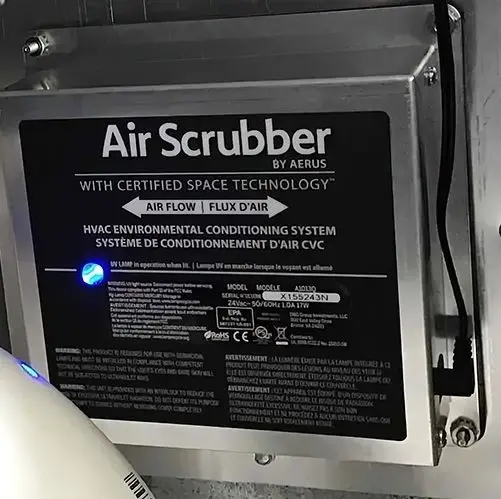
These air scrubbers attach directly to your HVAC system. They clean all the air that passes through your heating and cooling system. This type works best for cleaning the air throughout your entire home.
Whole-house systems are usually installed by professionals. They require less maintenance than portable units and work silently in the background. The initial cost is higher, but they typically last longer and clean more effectively.
Popular brands include ActivePure, APCO, and Air Scrubber by Aerus. These systems can cost between $800-$1,500 installed, but many homeowners find the investment worthwhile for the whole-house protection.
Portable Air Scrubbers
Portable units can be moved from room to room. They’re good for apartments, smaller homes, or focusing on specific problem areas like bedrooms or living rooms.
These units plug into regular outlets and come in various sizes. Smaller ones can clean rooms up to about 300 square feet, while larger units can handle spaces up to 1,500 square feet.
Portable air scrubbers cost less upfront (typically $200-$700) but may have higher long-term costs due to filter replacements and electricity usage. They also make some noise while running, which whole-house systems avoid.
Industrial Air Scrubbers
These heavy-duty units are designed for construction sites, restoration projects, or large commercial spaces. They’re much more powerful than residential models but also louder and more expensive.
Industrial air scrubbers aren’t typically used in homes unless there’s major renovation work or serious mold remediation happening. They can be rented for short-term use when needed.
Installation and Maintenance
Proper installation and maintenance ensure your air scrubber works effectively against pollen and dust for years to come.
Installation Process
Whole-house air scrubbers should be installed by HVAC professionals. The installation typically takes 1-2 hours and involves:
- Turning off power to your HVAC system
- Cutting a small hole in your ductwork
- Mounting the air scrubber unit
- Connecting it to power
- Testing the system
Portable units are much simpler – just unbox, remove any packaging from the filters, plug in, and turn on. Place them in areas where you spend the most time or where allergens are worst.
Regular Maintenance Needs
Air scrubbers work against pollen and dust effectively as long as they are regulary maintained:
- Filter Replacement: Most air scrubbers have filters that need changing every 6-12 months. Some high-end models will alert you when it’s time.
- UV Bulb Replacement: If your unit uses UV technology, the bulbs typically need replacing every 1-2 years.
- Surface Cleaning: Wipe down external surfaces and air intake areas monthly to prevent dust buildup.
- Professional Check-ups: Have your HVAC technician inspect whole-house systems during regular maintenance visits.
Skipping maintenance can reduce effectiveness and may void warranties. Most manufacturers provide detailed maintenance schedules in their user manuals.
When to Replace Components
Even with good maintenance, parts of your air scrubber will eventually need replacement:
- Pre-filters: Every 3-6 months
- HEPA filters: Every 6-12 months
- Carbon filters: Every 3-6 months
- UV lamps: Every 12-24 months
Keep replacement parts on hand so you can change them quickly when needed. This ensures your air scrubber continues to work against pollen and dust without interruption.
Air Scrubbers vs. Other Air Purifiers
When choosing an air cleaning solution, it’s helpful to understand how air scrubbers compare to other options.
Air Scrubbers vs. Air Filters
Standard air filters (like those in your HVAC system) passively trap particles as air passes through them. They only work when air flows through your system.
Air scrubbers work against pollen and dust more actively. They not only filter air but also send out cleaning agents that purify air throughout your home. This means they clean air even in corners and spaces far from vents.
The difference is like comparing a sieve that catches things as they pass through versus a net that actively catches particles throughout a room.
Air Scrubbers vs. Air Purifiers
Portable air purifiers clean the air in a single room. They pull air in, clean it, and push it back out. They’re good for focused cleaning but don’t reach your whole house.
Whole-house air scrubbers clean all the air that moves through your home’s ductwork. They also often use more advanced technologies than basic air purifiers.
Here’s a simple comparison:
| Feature | Air Scrubbers | Standard Air Filters | Portable Air Purifiers |
|---|---|---|---|
| Coverage Area | Whole house | Only filtered air | Single room |
| Active vs. Passive | Active cleaning | Passive filtering | Active in limited area |
| Installation | Professional | DIY | None (plug-in) |
| Cost | $800-$1,500 | $10-$40 | $100-$700 |
Which Is Right For You?
If you have severe allergies or asthma, a whole-house air scrubber offers the most complete protection. If you’re on a budget or rent your home, portable air purifiers are a good alternative.
For mild allergies or general air quality improvement, upgrading to better HVAC filters (like MERV 11-13 rated filters) might be enough. But remember, air scrubbers work against pollen and dust more thoroughly than filters alone.
Frequently Asked Questions
How effective are air scrubbers against pollen?
Air scrubbers are very effective against pollen. They can remove up to 99.9% of pollen particles from the air that passes through them. Since pollen particles are relatively large (15-200 microns), they’re easier to catch than some smaller pollutants. For best results, keep windows closed during high pollen seasons.
Do air scrubbers help with pet allergies?
Yes, air scrubbers work against pet dander, which is a common allergen. They can remove the tiny skin flakes, saliva proteins, and urine particles that cause pet allergies. However, they work best when combined with regular vacuuming and pet grooming.
How long does it take to notice a difference with an air scrubber?
Most people notice some improvement in air quality within 24-48 hours after installation. However, it may take 1-2 weeks to experience the full benefits as the air scrubber works against pollen and dust that has accumulated in your home over time.
Can air scrubbers remove odors?
Yes, many air scrubbers include activated carbon filters or other technologies specifically designed to remove odors. They can help eliminate cooking smells, pet odors, and other household scents. Models with PCO technology are particularly effective against chemical odors.
Are air scrubbers safe for children and pets?
Air scrubbers are generally very safe for households with children and pets. However, some models that use ozone should be used with caution. Look for CARB (California Air Resources Board) certified models, which meet strict safety standards. Always follow manufacturer guidelines for safe operation.
How much electricity do air scrubbers use?
Most residential air scrubbers use very little electricity – typically between 15-30 watts for whole-house systems. This is less than most light bulbs. Portable units may use more power, especially at higher fan speeds. The annual cost to run an air scrubber is usually less than $50 in electricity.
Breathe Easier with Professional Air Scrubber Installation
Air scrubbers work against pollen and dust to create cleaner, healthier air in your home. They offer a powerful solution for allergy sufferers and anyone concerned about indoor air quality. By actively removing allergens, dust, and other pollutants, these devices can help you breathe easier and feel better.
Whether you choose a whole-house system or a portable unit, an air scrubber is an investment in your family’s health and comfort. The technology continues to improve, making today’s air scrubbers more effective and efficient than ever before.
Ready to breathe cleaner air? Contact Strickland Heating and Air of indoor air quality experts today to schedule a consultation. We’ll help you choose the right air scrubber for your home and ensure professional installation for maximum effectiveness. Your lungs (and your allergies) will thank you!