 Skip to content




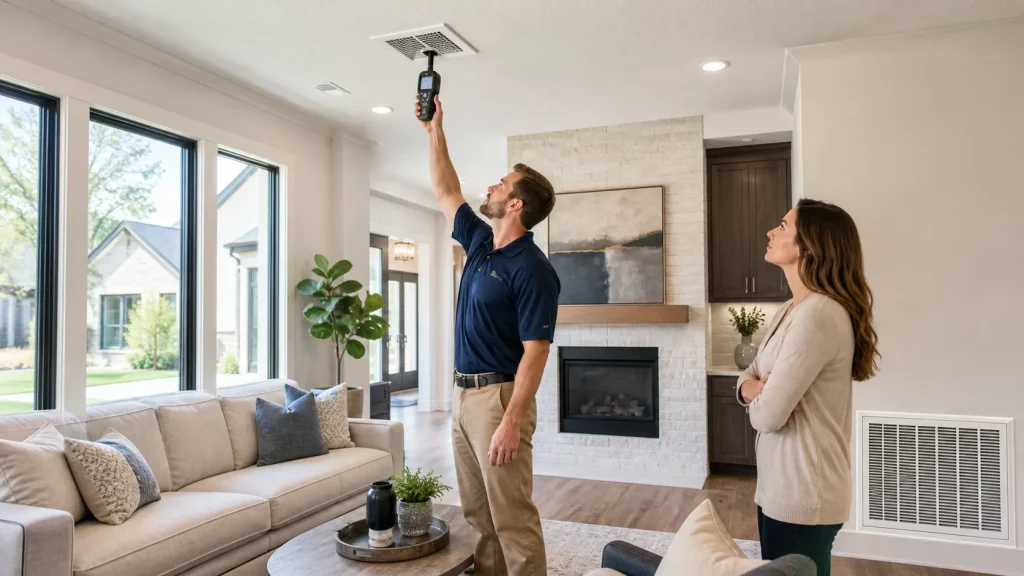
Indoor air in newer homes around Fort Worth and Aledo is often not as clean as people expect. Many families move into a recently built house thinking the air will feel fresh and healthy, then start noticing allergy flare-ups, headaches, or a stubborn musty smell that never quite goes away. The walls are new, the floors are new, the AC is new, but something still feels off.
We see this a lot in our area. Newer homes are built tighter than ever, which is great for energy use but not always great for indoor air. In this post, we will walk through the hidden issues we see in local homes, how our North Texas weather makes them worse, and what you can do to protect your family’s air.
Newer Homes, Hidden Air Problems
Many homeowners buy a newer place thinking, “Everything is new, so the air must be perfect.” Then they start noticing things like:
- Stuffiness or lingering odors that never fully clear
- Allergy or asthma symptoms that feel worse at home
- Headaches or scratchy throats in the evening
- A “new house” smell that feels harsh instead of clean
Indoor air quality in Fort Worth is becoming a bigger concern as homes get tighter and more energy efficient. Those thick walls, efficient windows, and sealed doors keep cooled air in, which keeps utility bills in check. But they also keep pollutants inside. In late summer and early fall, many families keep windows closed to keep out heat and ragweed pollen, so the same air keeps cycling around and around.
Some of the biggest hidden problems we see in newer homes are:
- Moisture and humidity trapped in small spaces
- Construction materials releasing chemicals into the air
- Ventilation and duct design mistakes from the original build
- Outdoor smog, dust, and pollen getting in and staying in
As a local family-owned HVAC company, we work on homes built under modern codes, in real North Texas weather, every single week. We see how these houses breathe, or do not breathe, once families move in and start living real life inside them.
Why Newer Fort Worth Homes Trap More Pollutants
Newer construction in Fort Worth and Aledo is designed to be tight. That helps the AC work less, but it also means your home does not “leak” as much fresh air as older homes did.
Tighter construction and less fresh air can lead to:
- Dust and pet dander building up faster
- Moisture from showers, laundry, and cooking hanging in the air
- Stronger smells from cleaning products and air fresheners
- Stale air in rooms that never quite feel fresh
In late summer and early fall, we are still running AC a lot. Windows stay shut to keep the cool air in and the pollen and smog out. That sounds good, but it also means whatever is inside your home often stays inside.
Then there is the “new home smell.” That scent many people like is usually a mix of chemicals from:
- New carpet and padding
- Cabinets and furniture made with pressed wood
- Flooring, adhesives, caulks, and sealers
- Fresh paint on walls and trim
These materials can release vapors for a long time. For kids, older adults, or anyone with breathing issues, that can lead to irritation in the eyes, throat, and lungs.
On top of that, Fort Worth outdoor air can bring:
- Smog and exhaust from highway and city traffic
- Dust and pollen that ride in on windy days
- Mold spores after late summer storms
In a tightly sealed home, those pollutants can get in through doors opening and closing, small gaps, or the HVAC system, then have a hard time finding a way back out.
Hidden Moisture and Mold Risks in "Dry" North Texas Homes
People think of North Texas as a dry place, but inside a newer home, moisture can quietly build up. High-efficiency windows and well-sealed walls are good, but when moisture has nowhere to go, problems start.
We often see trapped moisture in spots like:
- Bathrooms with fans that are weak or rarely used
- Laundry rooms where dryers do not vent well
- Attics around recessed lights and poorly sealed openings
- Sealed crawlspaces and over-insulated attic hatches
Even when there is no obvious leak, humidity can creep up. Short AC cycles from oversized systems can cool the air quickly but may not run long enough to pull out enough moisture, especially during stormy late summer evenings and warm early fall days.
Once indoor humidity lingers above roughly half saturation, it can support mold growth in places you cannot see, such as:
- Behind walls or under flooring
- Inside or around ductwork and insulation
- Around supply vents that “sweat” in humid air
Early signs many families miss include:
- A musty smell that comes and goes
- Condensation on windows or around vents
- The AC unit or ductwork looking damp or “sweaty”
- Family members feeling better when they leave the house
Professional humidity checks, duct inspections, and indoor air quality testing can help find these issues before they turn into damage to your home or ongoing health concerns.
Ventilation and Duct Design Mistakes in Newer Builds
Even in new builds, we often find shortcuts in the ventilation and duct system. On the surface, everything looks shiny and new, but behind the ceiling and walls, the air paths are not always planned well.
Common oversights include:
- Ducts that are too small or too long for the space
- Not enough return air vents, especially in bedrooms
- Exhaust fans that do not actually vent outdoors
These problems can cause uneven temperatures, rooms that feel stuffy, or strange pressure issues that pull air from the attic, garage, or crawlspace into the living space. That means dust, insulation fibers, and other pollutants can get pulled into the air you breathe.
When duct design and fresh air planning are weak, your system may:
- Recirculate the same dust and dander over and over
- Struggle to spread conditioned air evenly
- Leave corners of the home stale and uncomfortable
Fixes often include adding or resizing returns, sealing and insulating ductwork, and adding controlled fresh air so the home breathes on purpose instead of by accident. A careful look at the existing duct and ventilation layout can uncover small changes that have a big impact on comfort and air quality.
Seasonal Triggers That Stress Newer Homes’ Air Systems
As we move into fall around Fort Worth and Aledo, the calendar changes long before the heat really lets up. Families are back into school routines, AC is still running, and many days the house stays closed from morning to night.
Late summer heat and higher ozone days make most people keep doors and windows closed. When this happens, your indoor air depends completely on your HVAC system to filter and move it. If filters are old or the system is not tuned, it can keep sending the same polluted air through the house again and again.
Fall also brings:
- Ragweed and other strong seasonal allergens
- Humidity spikes after storms and heavy rain
- Extra dust and debris tracked in as schedules get busier
Pollen, mold spores, and dust can slip in through small leaks or on clothing and pets, then linger in a tightly sealed home if filtration and ventilation are not up to the task.
Good steps for early fall include:
- Replacing air filters with the right type for your system
- Having ducts checked for visible leaks or damage
- Having indoor humidity levels evaluated and adjusted if needed
Taking care of these issues before the strongest fronts and storms of the season roll through helps keep your newer home comfortable without letting air quality slide.
Clear Steps to Protect Your Family’s Air This Season
There are simple habits that can make a real difference in indoor air quality in Fort Worth, especially in newer homes:
- Use quality HVAC filters that match your system’s needs
- Run bathroom and kitchen fans long enough after use to clear moisture and odors
- Keep supply and return vents open and free from furniture or rugs
- Notice when symptoms, smells, or stuffy rooms show up and where
Those patterns are helpful clues, and they give an HVAC professional a head start in finding the true source of the issue.
Beyond daily habits, there are professional indoor air solutions that can be tailored to newer homes in our area. These can include whole-home dehumidifiers that control moisture, upgraded filtration that catches finer particles, air purifiers, and planned ventilation that brings in outside air and filters it before it spreads through the house.
A full indoor air quality evaluation looks at how your house is built, how your HVAC system is set up, and how your family actually lives day to day. As a local, family-owned company here in the Fort Worth and Aledo area, we understand both the homes and the weather patterns that shape them. With the right plan, even small adjustments can help your newer home feel cleaner, more comfortable, and better protected for the long term.
Breathe Cleaner, Healthier Air In Your Fort Worth Home
If you are ready to tackle allergens, odors, and lingering dust, our team can help you improve indoor air quality in Fort Worth with solutions tailored to your home. At Strickland HVAC, we start by listening to your concerns and evaluating your current system so we can recommend what truly fits your needs. Contact us today through our contact page to schedule a visit and take the first step toward cleaner, healthier air.