 Skip to content




Why HEPA Filtration Matters?
Spring is in the air – and unfortunately, so are pollen, dust, and other allergens that can make this beautiful season miserable for many homeowners. If you’re among the millions who suffer from seasonal allergies, you know the struggle of trying to keep your home a haven from these invisible irritants. HEPA filters might be the solution you’ve been searching for.
At Strickland Heating and Air, we understand how important clean indoor air is for your family’s comfort and health. HEPA filters for allergies can be a game-changer during peak allergy season. Let’s explore how these powerful filtration systems work and whether they’re the right choice for your home.
Table of Contents
What Are HEPA Filters?
HEPA (High-Efficiency Particulate Air) filters are specialized air filters designed to trap extremely small particles that other filters might miss. According to the Environmental Protection Agency (EPA), true HEPA filters must remove at least 99.97% of particles that are 0.3 microns in diameter – that’s smaller than most allergens! These highly efficient filters use a complex web of fiberglass fibers to capture particles through a combination of interception, impaction, and diffusion.
HEPA filtration technology was originally developed during World War II to prevent radioactive particles from spreading. Today, this same technology has been adapted for home use, making it possible to significantly reduce allergens in your living space.
The HEPA filter standard is quite strict, which is why these filters are so effective for allergies. Not all filters labeled as “HEPA-type” or “HEPA-like” meet the true HEPA standard, so it’s important to look for “True HEPA” certification when shopping for HEPA filters for allergies.
How HEPA Filters Combat Spring Allergens
Spring allergens can be relentless, with pollen counts soaring and mold spores becoming more active as temperatures rise. HEPA filters for allergies work by physically trapping these irritants before they can circulate through your home.
Consider these common spring allergens and their sizes:
- Pollen: 10-100 microns
- Mold spores: 3-40 microns
- Pet dander: 2-10 microns
- Dust mite waste: 0.5-50 microns
With HEPA filters capable of capturing particles as small as 0.3 microns, they can effectively remove these common triggers from your indoor air. When outdoor allergen levels are high, keeping windows closed and running your HVAC system with a HEPA filter creates a protected environment inside your home.
Many of our customers at Strickland Heating and Air report significant improvement in their allergy symptoms after installing HEPA filtration systems. The difference is especially noticeable during peak pollen seasons when outdoor allergen concentrations are at their highest.
Benefits of HEPA Filters for Allergy Sufferers
For those who struggle with allergies, HEPA filters offer several meaningful benefits that can improve quality of life, especially during spring allergy season:
Reduced Allergy Symptoms
- Less sneezing and coughing
- Decreased nasal congestion and sinus pressure
- Reduction in itchy, watery eyes
- Improved sleep quality without nighttime allergy flare-ups
Health Improvements
- Better respiratory function for asthma sufferers
- Fewer allergy-triggered asthma attacks
- Reduced reliance on allergy medications
- Lower risk of secondary respiratory infections
Whole-Home Benefits
- Less dust accumulation on surfaces
- Cleaner indoor air for all family members
- Protection for vulnerable household members like children and the elderly
- Potential improvement for those with other sensitivities
According to research published in the Journal of Allergy and Clinical Immunology, using HEPA filtration can significantly reduce airborne allergen concentrations in homes. This translates to real relief for allergy sufferers when implemented correctly.
HEPA Filters vs. Standard Filters
Not all air filters are created equal. Understanding the differences between HEPA filters and standard filters can help you make an informed decision about what’s best for your home:
| Filter Type | MERV Rating | Particle Size Filtered | Allergen Effectiveness | Replacement Frequency | Cost |
| Standard Fiberglass | 1-4 | >10 microns | Poor | 30-90 days | $ |
| Pleated Filters | 5-8 | 3-10 microns | Fair | 90 days | $$ |
| High-MERV Filters | 9-12 | 1-3 microns | Good | 90 days | $$$ |
| True HEPA Filters | 17-20 | ≥0.3 microns | Excellent | 6-12 months | $$$$ |
HEPA filters for allergies outperform standard filters in capturing the smallest allergen particles. While standard filters might trap larger dust particles, they allow smaller allergens like fine pollen and pet dander to pass through. The difference becomes especially important during spring when allergen diversity and concentration increase.
The higher initial cost of HEPA filters is often offset by their longer lifespan and the health benefits they provide. Many of our customers find that the reduction in allergy medication costs and improved quality of life make HEPA filters a worthwhile investment.
Installing HEPA Filters in Your Home
Adding HEPA filtration to your home can be approached in several ways:
Whole-Home HEPA Systems
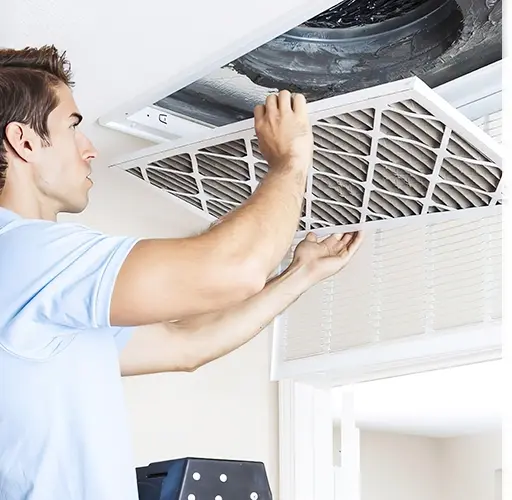
These systems integrate with your existing HVAC system to filter all the air that circulates through your home. Installation requires professional assessment and modification of your current setup, as HEPA filters are denser than standard filters and may affect airflow. Our technicians at Strickland Heating and Air can evaluate your system to determine the best approach.
Portable HEPA Air Purifiers
For targeted filtration or homes without central HVAC, portable HEPA air purifiers offer a flexible solution. These standalone units can be moved from room to room as needed. Look for appropriately sized units based on your room dimensions – typically measured in Clean Air Delivery Rate (CADR).
HVAC-Integrated Options
For those who can’t upgrade to full HEPA filtration, higher MERV-rated filters (11-13) can capture many allergens without requiring system modifications. While not as effective as true HEPA filters for allergies, they represent a significant upgrade from basic filters.
Before making any changes, it’s important to consult with HVAC professionals to ensure your system can accommodate your chosen filtration solution without strain or efficiency loss.
Maintaining Your HEPA Filtration System
To get the most benefit from HEPA filters for allergies, proper maintenance is essential:
Regular Replacement Schedule
- Follow manufacturer guidelines for replacement timeframes
- Consider more frequent changes during peak allergy seasons
- Watch for signs of reduced airflow, which indicates a saturated filter
System Maintenance
- Schedule annual inspections of your HVAC system
- Clean air ducts every 3-5 years to remove accumulated allergens
- Ensure proper sealing around filter housing to prevent allergen bypass
Complementary Practices
- Vacuum regularly with a HEPA-filtered vacuum cleaner
- Reduce humidity to discourage mold growth
- Minimize open windows during high pollen count days
Remember that even the best HEPA filter can’t work effectively if it’s clogged or if air bypasses the filtration system. Regular maintenance not only ensures optimal allergen removal but also protects your HVAC system from unnecessary strain.
HEPA Filters for Allergies: Are They Worth the Investment?
When considering HEPA filters for allergies, many homeowners want to know if the higher cost justifies the benefits. For most allergy sufferers, the answer is a resounding yes.
The initial investment in HEPA filtration typically ranges from $100 for portable units to $1,000+ for whole-home systems. However, this cost should be weighed against the ongoing expenses of allergy medications, doctor visits, missed workdays, and the intangible cost of discomfort during allergy season.
Many of our customers report that after installing HEPA filtration, their need for allergy medications decreases significantly. For families with multiple allergy sufferers, the return on investment can be even more substantial. Additionally, HEPA filters offer benefits beyond allergy relief, including removing other airborne pollutants and improving overall indoor air quality.
For those concerned about energy efficiency, modern HEPA systems are designed to minimize impact on HVAC performance. Our Strickland Heating and Air technicians can help you select a system that balances filtration power with energy efficiency for your specific needs.
Frequently Asked Questions
How often should I change my HEPA filter? Most residential HEPA filters need replacement every 6-12 months, depending on usage and allergen levels. Portable air purifier filters may need more frequent changes. Check manufacturer recommendations and watch for reduced airflow.
Can HEPA filters remove all allergens from my home? While HEPA filters are extremely effective, they can’t remove 100% of allergens. They work best as part of a comprehensive approach that includes regular cleaning, humidity control, and limiting outdoor allergen introduction.
Will a HEPA filter help with my pet allergies as well as pollen? Yes! HEPA filters are excellent for capturing pet dander, which is a common year-round allergen. Many pet owners find significant relief after installing HEPA filtration systems.
Can I install a HEPA filter in my existing furnace? Not all HVAC systems can accommodate true HEPA filters due to their density. Our technicians can assess your system and recommend compatible options, which might include bypass HEPA systems or high-MERV alternatives.
Are HEPA filters effective against COVID-19 and other viruses? HEPA filters can capture particles the size of most viruses, including coronavirus particles. However, they should be considered one part of a comprehensive approach to health and safety, not a complete solution on their own.
Get the Benefits of HEPA Filtration Today
Don’t let spring allergies keep you from enjoying the season. HEPA filters for allergies provide a powerful defense against the invisible irritants that cause sneezing, congestion, and discomfort. As the pollen counts rise, your home can remain a comfortable sanctuary with the right filtration system in place.
Ready to breathe easier this spring? Contact Strickland Heating and Air today to schedule a consultation with our indoor air quality experts. Our team can help you find the perfect HEPA filtration solution for your home, budget, and specific allergy concerns.