 Skip to content




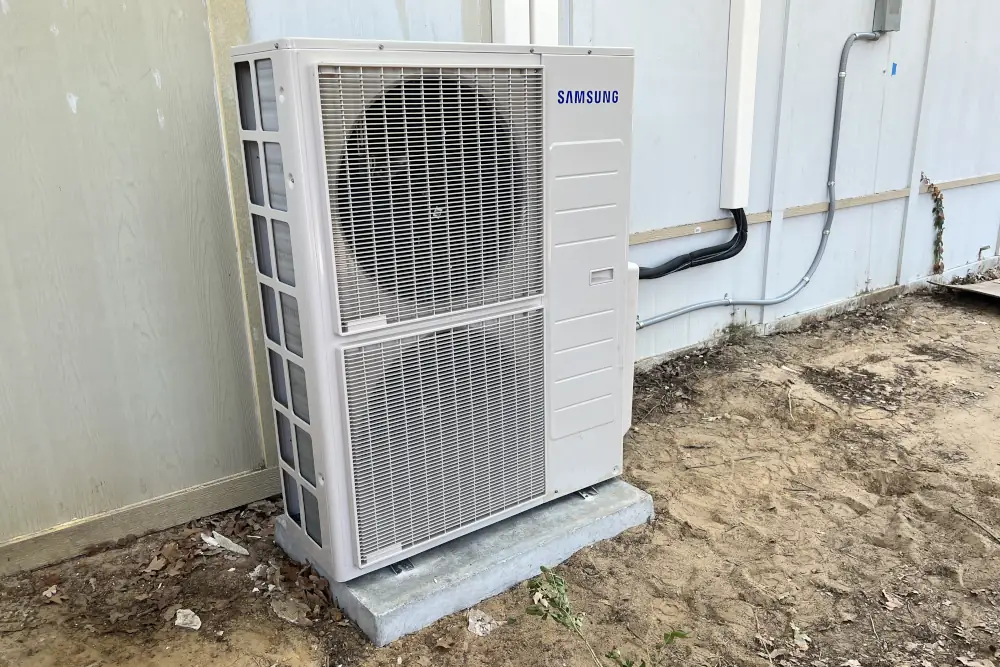
To prepare your heat pump for Texas fall, start by cleaning or replacing the air filter, removing debris from around the outdoor unit, and checking your thermostat settings. Schedule a professional maintenance visit to inspect refrigerant levels, electrical connections, and moving parts. Also, test your system by switching to heating mode before temperatures drop. These simple steps will ensure your heat pump runs efficiently during the mild Texas fall, preventing unexpected breakdowns and keeping your energy bills lower.
Table of Contents
Why Preparing Your Heat Pump for Texas Fall Matters
Texas fall brings unique challenges for your heating system. Unlike northern states, our fall season can swing between warm days and cool nights. Your heat pump needs to be ready to handle these temperature changes efficiently.
A well-maintained heat pump uses less energy. This means lower utility bills during the fall months when you might be running both cooling and heating.
Preparing your heat pump for fall also extends its lifespan. Regular maintenance prevents small issues from becoming big, expensive problems later.
| Benefits of Heat Pump Fall Preparation | What Happens If Skipped |
|---|---|
| Lower energy bills | 15-25% higher energy costs |
| Consistent indoor comfort | Temperature fluctuations |
| Extended equipment life | Shortened system lifespan |
| Fewer emergency repairs | Unexpected breakdowns |
Simple DIY Maintenance for Your Heat Pump
You can do several things yourself to get your heat pump for Texas fall ready. These simple tasks take just minutes but make a big difference.
Clean or Replace Air Filters
Dirty filters make your heat pump work harder. This wastes energy and can damage your system over time.
Check your filter monthly during fall. If it looks dirty, clean or replace it. Most filters need changing every 1-3 months.
For homes with pets or allergies, you might need to change filters more often. Clean filters help your heat pump for fall run at its best.
Clear Debris Around Outdoor Unit
Your heat pump’s outdoor unit needs space to breathe. Leaves, twigs, and grass clippings can block airflow.
Remove any debris within 2 feet of your unit. Trim back bushes or plants that have grown too close.
In Texas, fall brings dropping leaves that can clog your system. Check your outdoor unit weekly during this season to keep it clear.
Check and Set Your Thermostat
Fall is the perfect time to check your thermostat settings. Make sure it’s working correctly by testing both heating and cooling modes.
Program your thermostat for fall temperatures. Set it to 68°F when you’re home and awake. Lower it by 8-10 degrees when you’re asleep or away.
Smart thermostats work great with a heat pump for fall weather. They learn your schedule and adjust automatically to save energy.
Professional Maintenance Tasks for Your Heat Pump
While DIY care helps, professional maintenance is crucial for your heat pump for Texas fall preparation. Experts can spot and fix issues you might miss.
Checking Refrigerant Levels
Proper refrigerant levels are essential for heat pump efficiency. Too little or too much can cause problems.
A professional will measure your refrigerant levels. They’ll add more if needed and check for leaks.
This check is important before fall arrives. Your heat pump needs the right amount of refrigerant to heat your home efficiently.
Inspecting Electrical Connections
Loose connections can cause your heat pump to fail when you need it most. They can also create fire hazards.
A technician will tighten all electrical connections. They’ll measure voltage and current on motors.
This electrical check helps prevent breakdowns during fall temperature swings. It also keeps your family safe.
Lubricating Moving Parts
Your heat pump has many moving parts that need lubrication. Without it, friction increases and parts wear out faster.
A professional will oil all moving components. This reduces electricity use and extends your system’s life.
Regular lubrication is key to preparing your heat pump for fall. It prevents the squeaks and grinding that signal bigger problems.
Testing Your Heat Pump Before Fall Arrives
Don’t wait until the first cold night to discover problems. Test your heat pump for fall readiness while it’s still warm.
Switch to Heating Mode
Turn your thermostat to “heat” and set it a few degrees above room temperature. Your heat pump should start producing warm air within a few minutes.
Listen for unusual noises when the system switches on. Watch for any delay in heating or weak airflow.
Testing early gives you time to fix issues before you really need your heat pump for fall evenings.
Check All Vents and Registers
Make sure all vents in your home are open and unblocked. Closed vents create pressure that can damage your system.
Feel the airflow at each register. It should be strong and even throughout your home.
Blocked vents make your heat pump for fall work harder than necessary. Clear any furniture or curtains that might restrict airflow.
Energy Efficiency Tips for Your Heat Pump This Fall
Beyond basic maintenance, these tips will help your heat pump for fall run more efficiently.
Seal Air Leaks Around Your Home
Check windows and doors for drafts. Use weatherstripping or caulk to seal any leaks you find.
Look for gaps around pipes, vents, and electrical outlets. These small openings let heated air escape.
Sealing leaks helps your heat pump for fall maintain comfortable temperatures without working overtime.
Add or Improve Insulation
Good insulation keeps warm air inside during cool nights. Check your attic insulation level, it should be at least 12 inches deep.
Don’t forget to insulate ductwork, especially in unconditioned spaces like attics or crawl spaces.
Proper insulation makes a huge difference in how hard your heat pump for fall has to work. It’s one of the best energy-saving investments.
Use Ceiling Fans Wisely
Set ceiling fans to run clockwise at low speed during fall. This pushes warm air down from the ceiling without creating a cooling breeze.
Using fans this way can make rooms feel 2-4 degrees warmer. This means you can set your thermostat lower.
Fans use much less electricity than your heat pump. This simple trick can cut your energy bills significantly.
When to Schedule Professional Heat Pump Maintenance
Timing matters when preparing your heat pump for Texas fall. Plan ahead for the best service and results.
Ideal Timing for Fall Tune-ups
Schedule professional maintenance in early to mid-September. This beats the rush of last-minute service calls when temperatures drop.
Early maintenance gives you time to address any issues before you need heating. It also ensures your system is ready for those first cool nights.
What to Expect During a Professional Service
A complete fall tune-up takes about 1-2 hours. The technician will check both indoor and outdoor components.
They’ll clean coils, check electrical systems, test heating performance, and inspect ductwork. They’ll also verify your thermostat is working correctly.
Ask questions during this visit. A good technician will explain how to keep your heat pump for fall running efficiently between professional services.
Common Heat Pump Problems During Fall
Be aware of these issues that often affect heat pumps during the fall transition season.
Trouble Switching Between Cooling and Heating
Some heat pumps struggle when switching modes. This might mean a valve problem or control board issue.
If your system blows cold air when set to heat, don’t ignore it. This is a common problem when preparing your heat pump for fall.
Professional help is usually needed to fix mode-switching problems. Don’t wait until temperatures drop further to address this.
Frozen Outdoor Coils
Even in mild Texas fall weather, outdoor coils can freeze overnight. This happens more often if maintenance is neglected.
A properly maintained heat pump has defrost cycles that prevent freezing. If you notice ice buildup, something’s wrong.
Never try to chip ice off coils yourself. This can damage your heat pump for fall operation. Call a professional instead.
Short Cycling Issues
Short cycling, when your system turns on and off frequently, wastes energy and strains components. It often starts during seasonal transitions.
This problem might indicate incorrect thermostat settings, refrigerant issues, or an oversized system.
Address short cycling promptly when preparing your heat pump for fall. It can lead to system failure if ignored.
Upgrading Your Heat Pump System
Fall is a good time to consider whether your current system meets your needs.
Signs It’s Time for a New System
If your heat pump is over 10 years old and needs frequent repairs, replacement might make more sense than continued maintenance. Rising energy bills despite regular maintenance suggest declining efficiency.
Uneven heating or cooling throughout your home might mean your current system can’t keep up anymore.
New Technologies to Consider
Modern heat pumps offer impressive features. Two-stage and variable-speed models adjust output based on your home’s needs.
Smart controls let you monitor and adjust your heat pump for fall from your phone. They also provide maintenance alerts.
Heat pumps with higher SEER and HSPF ratings cost more upfront but save money over time. They’re especially valuable in Texas’s variable fall climate.
Frequently Asked Questions About Heat Pumps for Fall
How often should I change my heat pump’s air filter in fall?
Check your filter monthly during fall. Replace it when it looks dirty, typically every 1-3 months. Homes with pets or allergy sufferers may need more frequent changes. Clean filters are crucial for an efficient heat pump for fall operation.
Can I cover my outdoor heat pump unit during fall?
No, don’t cover your heat pump completely, even during Texas fall. The unit needs airflow even when not running. Instead, use a cover that shields just the top from falling leaves while leaving the sides open. Better yet, simply keep the area around it clear of debris.
Why does my heat pump blow cold air sometimes?
This is normal during defrost cycles, which remove ice from outdoor coils. However, if it blows cold air constantly when set to heat, your heat pump for fall might have a valve problem, low refrigerant, or thermostat issues. Call a professional if this happens.
How much can I save by maintaining my heat pump?
Regular maintenance can reduce energy consumption by 10-25%. For a typical Texas home, this could mean saving $20-50 monthly during fall. Well-maintained heat pumps also last 5-8 years longer, saving thousands in replacement costs.
Should I switch my heat pump to “emergency heat” during cold snaps?
No, avoid using emergency heat unless your regular heating truly fails. Emergency heat is much less efficient and will dramatically increase your bill. Modern heat pumps can handle our typical cold snaps without needing emergency heat mode.
Preparing for a Comfortable Fall Season
Taking time now to prepare your heat pump will pay off in comfort and savings. Our state’s fall season brings unique challenges with its temperature swings and occasional cold fronts.
Remember that both DIY maintenance and professional service play important roles. Change filters, clear debris, and test your system yourself. Leave the technical work to trained technicians who understand heat pumps in fall conditions.
Don’t wait until the first cold night to discover problems. Schedule your professional maintenance today with Strickland Heating and Air. Our expert technicians will ensure your heat pump is ready to keep you comfortable all season long. Call us now to book your fall tune-up and enjoy worry-free comfort as temperatures begin to drop.