

Texas Allergy Season: A Threat to Your Family’s Health
Are you tired of sneezing your way through another Texas allergy season? You’re not alone. Many homeowners across the Lone Star State struggle with seasonal allergies, especially when cedar, oak, and ragweed pollen reach their peak. The right air filter can make a world of difference in your home’s air quality and your family’s comfort.
In this comprehensive guide, we’ll explore the best air filters for allergies that can help you and your family breathe easier during Texas’ notorious allergy seasons. From understanding filter ratings to comparing different types, we’ve got you covered with practical advice that puts your health first.
Table of Contents
Understanding Air Filter Ratings
When shopping for the best air filters for allergies, the first thing you’ll encounter is the MERV rating system. MERV (Minimum Efficiency Reporting Value) measures how effectively an air filter captures particles between 0.3 and 10 microns. The higher the MERV rating, the smaller the particles a filter can trap.
For allergy sufferers in Texas, we typically recommend filters with MERV ratings between 8 and 13. These filters can capture most common allergens like pollen, dust mites, and pet dander without restricting airflow to your HVAC system. However, it’s important to balance filtration with your system’s capabilities – some older systems may not support higher-rated filters.
Here’s a quick breakdown of MERV ratings and what they mean for allergy sufferers:
| MERV Rating | Particle Size Filtered | Common Allergens Captured | Recommended For |
| 1-4 | >10.0 microns | Pollen, dust mites, carpet fibers | Minimal filtration, not recommended for allergies |
| 5-8 | 3.0-10.0 microns | Mold spores, dust mite debris, pet dander | Light allergy symptoms |
| 9-12 | 1.0-3.0 microns | Legionella, lead dust, auto emissions | Moderate to severe allergies |
| 13-16 | 0.3-1.0 microns | Bacteria, most smoke, insecticide dust | Severe allergies or respiratory conditions |
| 17-20 | <0.3 microns | Viruses, carbon dust, sea salt | Hospital-grade filtration |
The Best Air Filters for Allergies
Finding the best air filters for allergies means understanding which options work effectively against Texas’ unique allergen profile. Our state’s combination of high humidity, diverse plant life, and occasional dust storms creates specific challenges for allergy sufferers.
The most effective filters for Texas homes strike a balance between capturing allergens and maintaining proper airflow through your system. Remember that an air filter that’s too restrictive can cause your HVAC system to work harder, potentially leading to higher energy bills or even system damage.
Based on our experience serving Texas homeowners, here are the top performers that deliver excellent allergen protection without compromising your system’s efficiency.
HEPA Filters: The Gold Standard
High-Efficiency Particulate Air (HEPA) filters are considered the gold standard for allergy sufferers. True HEPA filters remove at least 99.97% of airborne particles with a size of 0.3 microns, which includes most common allergens found in Texas homes.
HEPA filters excel at capturing:
- Pollen from cedar, oak, and mountain juniper (cedar fever anyone?)
- Dust mite waste
- Pet dander
- Mold spores
- Most bacteria
While standalone HEPA air purifiers are available for any home, not all HVAC systems can accommodate a true HEPA filter due to airflow restrictions. For whole-home solutions, we often recommend HEPA-type filters with MERV ratings of 13+ that can provide similar benefits without overtaxing your system.
Electrostatic Air Filters
Electrostatic filters use an electric charge to attract and trap allergen particles, making them particularly effective for the smaller particles that often trigger allergy symptoms. These filters come in both disposable and permanent versions, giving homeowners flexible options.
The permanent versions can be washed and reused, making them environmentally friendly and cost-effective over time. However, they require regular cleaning to maintain their effectiveness, typically every 1-3 months depending on your home’s conditions and the severity of the allergy season.
For Texas homeowners concerned about both allergens and energy efficiency, electrostatic filters offer a compelling balance. They’re especially good at trapping the fine dust that often blows in during our drier months.
Pleated Filters
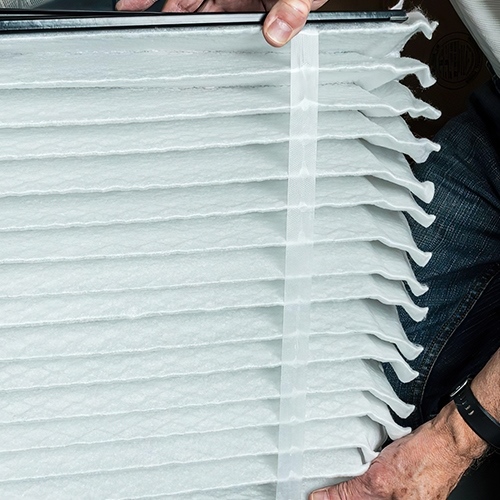
Pleated filters are among the best air filters for allergies due to their expanded surface area that can trap more particles. The pleated design increases the filter’s capacity without restricting airflow, making them suitable for most HVAC systems.
These filters typically have MERV ratings between 8 and 13, hitting the sweet spot for most allergy sufferers. The cotton or polyester material effectively captures:
- Most pollen varieties common in Texas
- Dust and lint
- Mold spores
- Pet dander
- Some bacteria
We recommend replacing pleated filters every 60-90 days for optimal performance, though during peak allergy seasons in Texas (typically spring and fall), you might consider changing them more frequently.
UV Air Purifiers
While not filters in the traditional sense, UV air purifiers can be powerful allies for allergy sufferers, especially those sensitive to biological allergens. These systems use ultraviolet light to kill or inactivate airborne pathogens, including:
- Mold spores
- Bacteria
- Viruses
- Other microorganisms
UV purifiers work especially well when paired with high-quality mechanical filters. The filter traps the particles, and the UV light neutralizes biological contaminants that could reproduce and cause allergic reactions.
For Texas homes where humidity can promote mold growth, a combination of pleated filters and UV technology provides comprehensive protection against both particulate and biological allergens.
Sizing Your Filter Correctly
Even the best air filters for allergies won’t work effectively if they’re not properly sized for your system. An ill-fitting filter allows air to bypass the filtration medium, rendering it much less effective at removing allergens.
Most residential HVAC systems use one of these common filter sizes:
- 16″ x 25″ x 1″
- 20″ x 25″ x 1″
- 16″ x 20″ x 1″
- 14″ x 25″ x 1″
You can find your current filter’s size printed on its frame. When replacing it, ensure all three dimensions match exactly. Some systems may accommodate filters of different thicknesses (the third number), which can provide better filtration without restricting airflow.
Maintenance Tips for Optimal Performance
Even the best air filters for allergies require proper maintenance to perform effectively. Here are some essential tips to ensure your filters are working at peak efficiency:
- Replace disposable filters according to the manufacturer’s recommendations or more frequently during high allergy seasons. For most Texas homes, this means every 1-3 months.
- Clean reusable filters thoroughly. Rinse with water from the clean side toward the dirty side to avoid pushing captured particles deeper into the filter material.
- Check filters monthly during peak allergy seasons. A visibly dirty filter needs replacement regardless of how recently it was installed.
- Consider setting calendar reminders for filter changes. Regular maintenance is often overlooked but crucial for both air quality and system efficiency.
- Keep areas around air returns clear of furniture and obstructions to maximize airflow and filter effectiveness.
For homeowners with severe allergies, we recommend combining regular filter maintenance with professional duct cleaning every 3-5 years. This removes accumulated allergens that may have bypassed your filters over time.
Cost vs. Value Analysis
When comparing the best air filters for allergies, it’s important to consider both upfront costs and long-term value. Here’s a breakdown to help you make an informed decision:
| Filter Type | Initial Cost | Lifespan | Long-term Cost | Allergy Relief Effectiveness |
| Fiberglass (MERV 1-4) | $1-5 | 30 days | $12-60/year | Poor |
| Basic Pleated (MERV 8) | $8-20 | 90 days | $32-80/year | Good |
| High-End Pleated (MERV 11-13) | $20-40 | 90 days | $80-160/year | Very Good |
| Washable Electrostatic | $20-40 | 6-8 years | $3-7/year + cleaning time | Good |
| Whole-Home HEPA System | $500-1000+ installation | Filters: $50-100 every 6-12 months | Initial cost plus $50-200/year | Excellent |
While higher-rated filters typically cost more upfront, they often provide better protection against allergens and may last longer. For Texas allergy sufferers, investing in better filtration generally pays dividends in improved health and comfort.
Remember that there’s also a hidden cost to inadequate filtration: your HVAC system will accumulate dust and allergens over time, potentially leading to decreased efficiency and increased maintenance needs.
Best Air Filters for Specific Allergy Triggers
Different allergens require different filtration approaches. Here are our recommendations for the best air filters for allergies common in Texas:
For Cedar Fever (December-February):
- Pleated filters with MERV 11+
- Consider adding a standalone HEPA purifier in bedrooms during peak season
For Spring Oak Pollen (March-May):
- Electrostatic filters with MERV 10+
- Frequent replacement/cleaning during high pollen counts
For Dust and Dust Mites (Year-round):
- Pleated filters with MERV 11-13
- Regular vacuuming with HEPA-equipped vacuum cleaners complements filtration
For Pet Allergies:
- Dedicated pet allergy filters (usually MERV 12+)
- Consider combining with regular brushing and bathing of pets
For Mold Sensitivity (especially during humid months):
- Combination of MERV 13 filters with UV air purification
- Address any moisture issues in your home to prevent mold growth
By targeting your specific allergy triggers, you can customize your approach to find the best air filters for allergies affecting your household.
Frequently Asked Questions
How often should I change my air filter during Texas allergy season?
During peak allergy seasons in Texas, we recommend checking your filter every 2-4 weeks and replacing it when it appears dirty, regardless of the manufacturer’s stated lifespan. Some homes in high-pollen areas may need monthly replacements during severe allergy seasons.
Can air filters remove all allergens from my home?
Even the best air filters for allergies cannot remove 100% of allergens. Filters primarily clean air that passes through your HVAC system. Combining filtration with regular cleaning, keeping windows closed during high pollen days, and using allergen-proof bedding creates the most effective strategy.
Will a higher MERV rating always be better for allergies?
Not necessarily. While higher MERV ratings capture smaller particles, they also restrict airflow more. Using a filter with too high a MERV rating for your system can reduce efficiency and potentially damage equipment. Consult with an HVAC professional to find the optimal balance for your system.
Are washable filters good for allergies?
Washable filters can be effective for allergies if properly maintained. However, they typically don’t filter as effectively as high-MERV disposable filters. If you choose washable filters, clean them thoroughly and allow them to dry completely before reinstallation to prevent mold growth.
Do I need a special filter installation for severe allergies?
For severe allergies, consider upgrading beyond standard filtration. Options include thicker media filters (requiring modification to your return air duct), electronic air cleaners, or whole-home air purification systems. These solutions are most effective when professionally installed to ensure proper system integration.
Enjoy an Allergy-Free Season With Strickland
At Strickland Heating and Air, we understand that finding the best air filters for allergies is crucial for your family’s comfort and health during Texas’ challenging allergy seasons. Our team is ready to help you breathe easier with professional recommendations tailored to your specific needs and HVAC system.
Ready to upgrade your home’s air filtration? Contact Strickland Heating and Air today to schedule a consultation with our indoor air quality experts. We’ll help you select and install the perfect filtration solution to keep allergens at bay all year round.