 Skip to content




Your home’s air ducts need replacement when you notice uneven airflow, rising energy bills, mold growth, strange noises, visible damage, excessive dust, or if they’re over 15 years old. These air duct replacement signs indicate it’s time to call a professional. Replacing damaged ductwork improves indoor air quality, energy efficiency, and your family’s comfort and health.
Understanding Air Ducts and Their Importance
Air ducts are the lungs of your home. They carry heated or cooled air from your HVAC system to every room. Think of them like straws that blow air where you need it. When these air pathways work right, your home stays comfy all year.
Good air ducts keep your energy bills low. They help your heating and cooling system work without wasting power. Clean, well-sealed ducts also keep the air in your home healthy to breathe.
Over time, air ducts can get old and stop working well. They might get holes, cracks, or grow mold inside. When this happens, you’ll start to notice some air duct replacement signs. Knowing these signs helps you fix problems before they get worse.
7 Clear Signs You Need Air Duct Replacement
1. Uneven Airflow Throughout Your Home
Do some rooms feel like a freezer while others feel like a sauna? This is a top air duct replacement sign. When air can’t flow right, your home gets hot and cold spots.
You might notice weak airflow from some vents. Or maybe air barely comes out at all. This happens when ducts get blocked, crushed, or disconnected. Your HVAC system works harder but can’t keep your whole home comfortable.
Try this simple test: hold a tissue near different vents. If the tissue barely moves at some vents but flutters strongly at others, your ducts might need replacing.
2. Skyrocketing Energy Bills
Have your energy bills gone way up for no clear reason? Leaky ducts might be the culprit. When air escapes through holes or cracks, your system must work overtime.
The Department of Energy says that leaky ducts can waste up to 30% of your heating and cooling energy. That’s like throwing money out the window every month! When you see bills climbing higher and higher, it’s one of the clearest air duct replacement signs.
Compare your current bills to last year’s. A sudden jump might mean your ducts are failing. New, sealed ducts can help bring those costs back down.
3. Visible Mold or Dust Around Vents
Black or green fuzzy stuff around your vents? That’s mold, and it’s bad news. Mold grows when moisture gets trapped in your ducts. It then blows all through your home when your system runs.
Excessive dust puffing out when the air kicks on is another warning sign. Your ducts should deliver clean air, not blow dust bunnies around. If cleaning your vents doesn’t help, you likely need new ducts.
Mold and dust don’t just look gross—they can make you sick. Breathing these particles can trigger allergies, asthma, and other health problems. Don’t ignore this important air duct replacement sign.
4. Strange Noises Coming From Your Ductwork
Does your home sound haunted when the heat or AC runs? Banging, rattling, or whistling noises from your ducts aren’t normal. These sounds mean air is fighting to get through damaged areas.
Popping sounds happen when metal ducts expand and contract. But loud, persistent noises mean something’s wrong. Whistling often points to air leaking through holes or poor connections.
New noises that weren’t there before are a key air duct replacement sign. Modern replacement ducts are designed to operate quietly, bringing peace back to your home.
5. Visible Damage to Ductwork
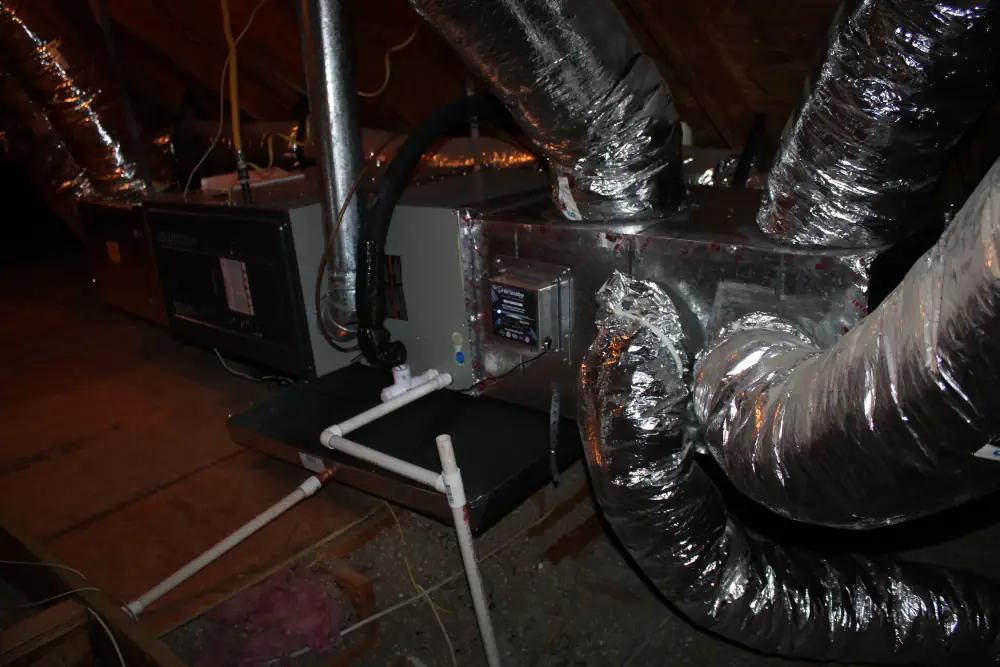
Take a flashlight and check any exposed ducts in your attic, basement, or crawlspace. Look for obvious problems like:
- Dents or crushed sections
- Holes or tears in the metal
- Disconnected joints
- Rust or corrosion
- Sagging sections
Even small holes can cause big problems. They let conditioned air escape and pull in dirty air from attics or crawlspaces. Duct tape isn’t a permanent fix (despite its name!).
When you can actually see damage, it’s one of the most obvious air duct replacement signs. Don’t wait until the problem gets worse—damaged ducts affect your whole HVAC system.
6. Your Home Is Excessively Dusty
Do you dust on Monday but by Wednesday it looks like you never cleaned? Leaky ducts might be the reason. They can pull in dust from dirty areas of your home and spread it everywhere.
Even with regular cleaning and good air filters, leaky ducts make dust control impossible. The problem isn’t your cleaning skills—it’s your ductwork pulling in particles and blowing them all over.
This constant dust isn’t just annoying. It can wear out your HVAC system faster and cause breathing problems. When dust won’t go away no matter how much you clean, consider it an air duct replacement sign.
7. Your Ductwork Is Over 15 Years Old
Like everything in your home, air ducts don’t last forever. Most ductwork has a lifespan of about 15-20 years. After that, problems become more common and repairs less effective.
Older ducts were often made with materials we now know aren’t ideal. Modern ducts are better sealed, insulated, and designed for efficiency. They’re also less likely to grow mold or harbor pests.
Age alone is an air duct replacement sign, even if you don’t see other problems yet. Replacing old ducts before they fail completely can prevent emergency situations and save money in the long run.
Benefits of Timely Air Duct Replacement
Replacing your ducts when you notice air duct replacement signs brings many benefits. First, your home will feel more comfortable. No more hot and cold spots or rooms that never seem right.
Your energy bills will likely drop. New, sealed ducts deliver air where it’s supposed to go, not into your attic or walls. Many homeowners see savings of 20% or more after fixing leaky ducts.
Better indoor air quality is another huge plus. New ducts won’t harbor mold, dust, or pests that make you sick. This is especially important if anyone in your home has allergies or asthma.
Your HVAC equipment will last longer too. When your system doesn’t have to work overtime to compensate for duct problems, it experiences less wear and tear. This means fewer repairs and a longer life for expensive equipment.
DIY vs. Professional Air Duct Replacement
Can you replace air ducts yourself? While small repairs might be DIY-friendly, complete replacement usually isn’t. Ductwork requires special tools, materials, and knowledge of how air should flow.
Professional duct installers understand how to size ducts correctly. Ducts that are too small create noise and pressure problems. Ducts that are too large won’t move air efficiently. Getting this right takes training.
The cost difference between DIY and professional work might seem big at first. But mistakes in DIY duct installation can lead to bigger problems down the road. Pros also offer warranties on their work, giving you peace of mind.
If you’re handy, you might handle simple tasks like sealing accessible duct joints with mastic sealant. But when you see serious air duct replacement signs, calling a professional is usually the wisest choice.
Cost Factors for Air Duct Replacement
The price to replace ductwork varies widely based on several factors. Home size matters most—more square footage means more ductwork. A typical 2,000 square foot home might cost between $1,500 and $5,000 for complete replacement.
Accessibility affects cost too. Ducts in easy-to-reach areas cost less to replace than those in tight crawlspaces or behind walls. Sometimes walls or ceilings need opening to access ducts, adding to the expense.
Material choice impacts your budget as well. Options include:
| Duct Material | Cost Range | Durability |
|---|---|---|
| Sheet Metal | $$$ | 25+ years |
| Fiberglass Duct Board | $$ | 15-20 years |
| Flexible Ducts | $ | 10-15 years |
While cost matters, don’t choose solely on price. Cheaper materials might need replacement sooner. When you see air duct replacement signs, get multiple quotes and ask about material options.
Many HVAC companies offer financing to make replacement more affordable. Some utility companies provide rebates for energy-efficient upgrades, including duct replacement. Check local programs before you start.
Maintenance Tips to Extend Air Duct Lifespan
Once you’ve addressed those air duct replacement signs and installed new ductwork, protect your investment. Regular maintenance helps ducts last longer and work better.
Change your HVAC filters every 1-3 months. Dirty filters force your system to work harder and can lead to duct contamination. This simple step costs little but saves a lot.
Consider professional duct cleaning every 3-5 years. This removes built-up dust and checks for developing problems. Don’t clean ducts too often—unnecessary cleaning can actually damage them.
Seal and insulate ducts in unconditioned spaces like attics and crawlspaces. This prevents condensation that leads to mold and rust. Special duct insulation wraps around pipes to keep air at the right temperature.
Check visible ductwork occasionally for new damage or pest intrusion. Catching small issues early prevents them from becoming major air duct replacement signs later on.
Keep vents and registers clean and unblocked by furniture or curtains. Good airflow at the endpoints helps the whole system work better. Simply vacuum registers regularly to remove surface dust.
Frequently Asked Questions About Air Duct Replacement
How often should air ducts be replaced?
Most air ducts last 15-25 years depending on materials and conditions. Don’t replace based solely on age—look for air duct replacement signs like those we’ve discussed. Quality ducts properly maintained might last even longer.
Can leaky ducts really affect my health?
Yes! Leaky ducts can pull in contaminants from attics, crawlspaces, and wall cavities. These might include insulation particles, mold spores, pest droppings, and chemicals. These pollutants then circulate throughout your home, potentially causing respiratory issues and allergic reactions.
Will replacing my ducts really save money?
In most cases, yes. The Department of Energy estimates that sealing and insulating ducts can improve HVAC efficiency by up to 20%. If your energy bills are $200 monthly, that’s about $480 saved each year. New ducts usually pay for themselves within 3-7 years through energy savings.
Can I just repair my ducts instead of replacing them?
For minor issues like small leaks or disconnected joints, repairs might work. But when you see multiple air duct replacement signs, especially in older systems, repairs often provide only temporary fixes. Complete replacement usually makes more sense for systems over 15 years old with significant problems.
How long does duct replacement take?
Most residential duct replacements take 1-3 days, depending on home size and complexity. Some larger or more complicated jobs might take up to a week. Your HVAC contractor should provide a timeline before starting work.
Will I need to leave my home during duct replacement?
Usually not, though you won’t have heating or cooling while work is underway. The process creates some dust and noise. If you’re sensitive to these or have respiratory issues, you might choose to stay elsewhere during the day when work is happening.
How do I choose a good duct replacement contractor?
Look for licensed, insured professionals with specific experience in ductwork (not just general HVAC). Check reviews, ask for references, and get detailed written estimates from at least three companies. Good contractors will inspect your current system thoroughly before recommending replacement.
Take Action When You See Air Duct Replacement Signs
Don’t ignore the air duct replacement signs we’ve discussed. Problems with your ductwork affect your comfort, health, and wallet. The sooner you address duct issues, the less they’ll cost in energy waste and potential damage.
Start by scheduling an inspection with a qualified HVAC professional. They can confirm whether you truly need replacement or if repairs might work. They’ll also help you understand your options for materials and design improvements.
Remember that your home’s air quality directly impacts your family’s health. Clean, efficient ductwork is an investment in both your property and your wellbeing. When you see those air duct replacement signs, taking action promptly is always the right choice.
Ready to breathe easier and save on energy costs? Contact Strickland Heating and Air today to evaluate your ductwork and address any air duct replacement signs you’ve noticed. Your lungs and your wallet will thank you!